
Vaginoplasty Before and After Photos
Vaginoplasty is a surgical procedure designed to tighten and reconstruct the vaginal canal by repairing stretched muscles and connective tissues that have weakened due to childbirth, aging, menopause, or other factors. The procedure restores support to the vaginal canal, improves vaginal laxity, and helps enhance both function and confidence. Many women choose vaginoplasty to address changes that occur after vaginal delivery, including decreased vaginal tightness, weakened pelvic floor support, or reduced sensation during intimacy.
The before and after photos below feature real patients who underwent vaginoplasty performed by Dr. John Miklos and Dr. Robert Moore. These images demonstrate how vaginoplasty can restore vaginal support, tighten the vaginal canal, improve muscle integrity, and enhance both function and appearance. Every procedure is carefully customized to each patient’s unique anatomy, symptoms, and treatment goals to achieve natural-looking, individualized results. Read more about Vaginoplasty Surgery Recovery.
Women often choose vaginoplasty to address:
- Vaginal laxity after childbirth
- Loss of vaginal tightness
- Weakened vaginal muscles
- Decreased sensation during intimacy
- Childbirth-related stretching of the vaginal canal
- Changes associated with aging or menopause
- Reduced pelvic floor support
- A desire to restore vaginal function and confidence
While these before and after photos demonstrate real surgical outcomes, every woman’s anatomy, healing process, and results are unique. During your consultation, Dr. John Miklos and Dr. Robert Moore perform a comprehensive pelvic floor evaluation to determine whether vaginoplasty alone or a combination of procedures, such as perineoplasty, is the most appropriate treatment to help you achieve your goals.
Warning: This page contains clinical before and after photographs of intimate surgical procedures. These images are intended for education purposes and to help prospective patients understand potential surgical outcomes. By continuing, you acknowledge you are at least 18 years of age and are viewing this information for legitimate medical or educational purposes.
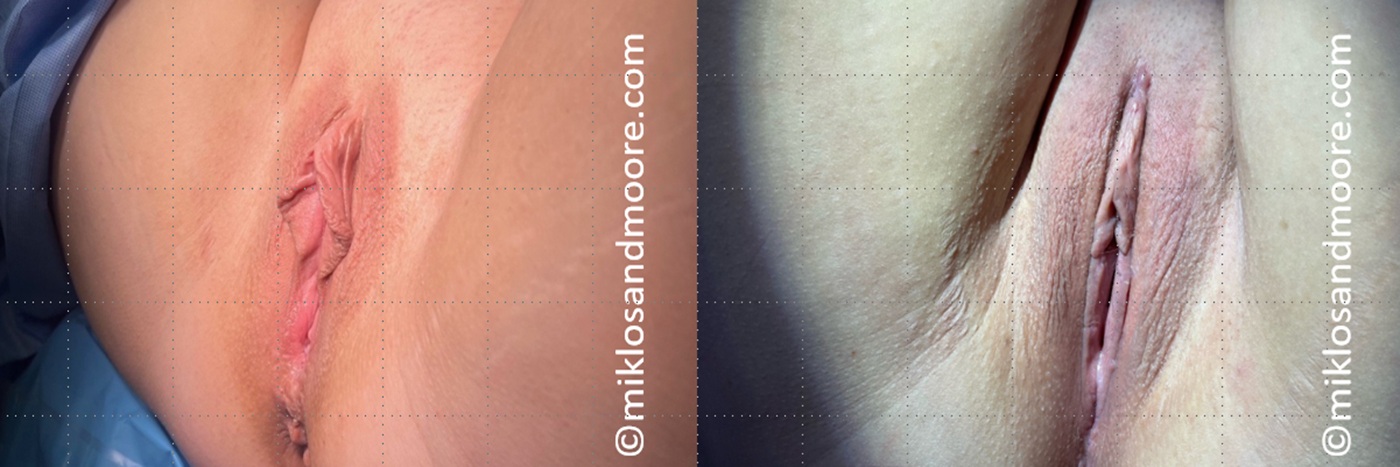
Vaginoplasty Before & After Photos | Drs. Miklos & Moore
Childbirth may permanently weaken vaginal support and muscle tone. These before and after photos demonstrate personalized reconstruction with beautifully balanced, natural results.
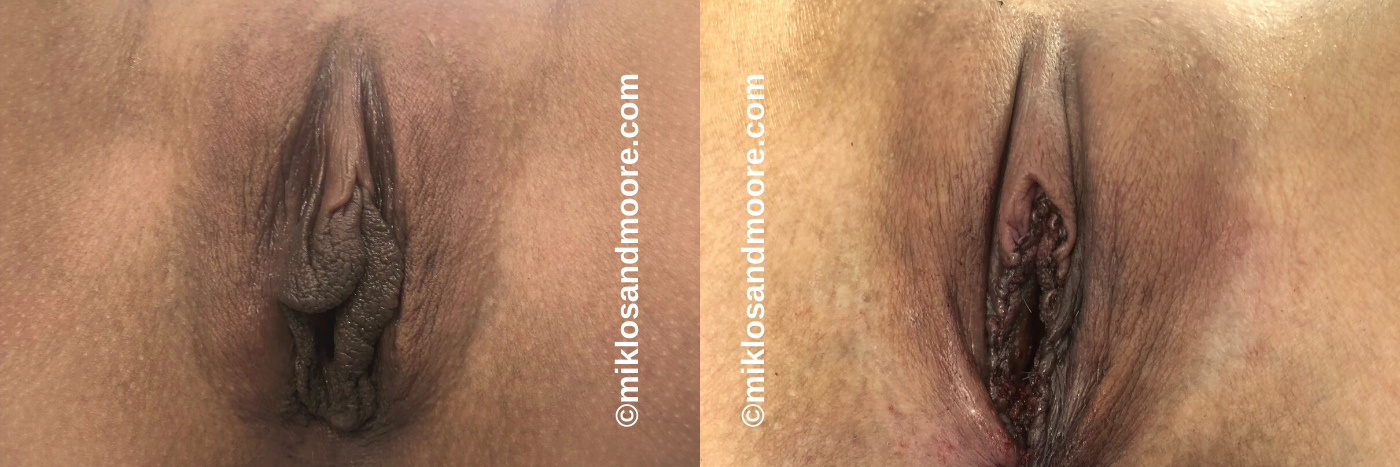
Vaginal Tightening Before & After Photos | Drs. Miklos & Moore
Every woman begins with different anatomy and personal goals. Real patient photographs illustrate customized vaginoplasty designed to restore support while preserving natural feminine contours.
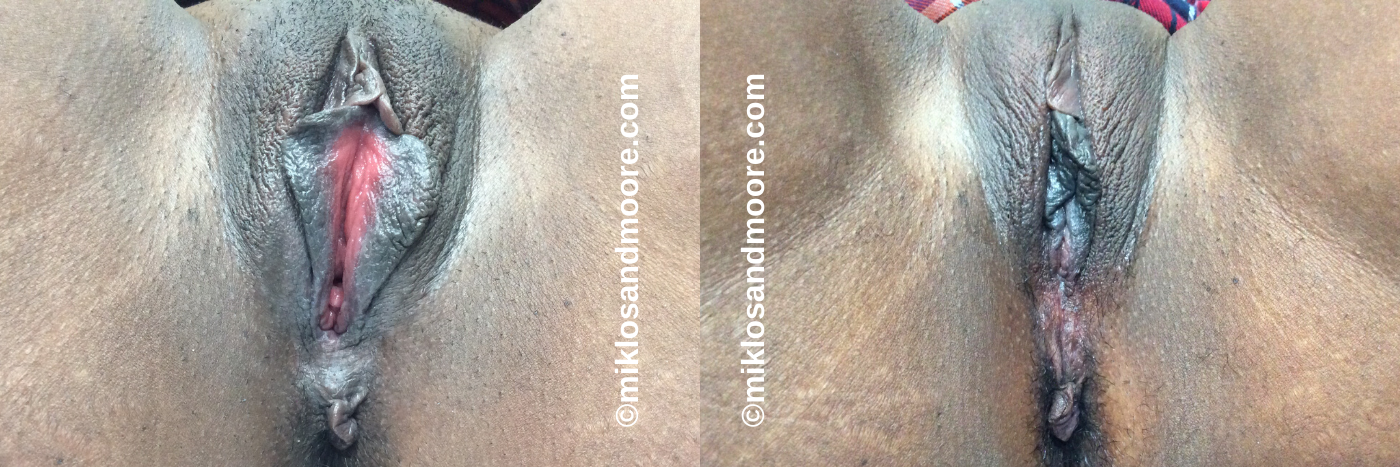
Vaginoplasty Patient Results | Drs. Miklos & Moore
Years after childbirth, many women notice lasting vaginal laxity. Authentic surgical results highlight individualized treatment plans developed specifically for each patient's unique anatomy.
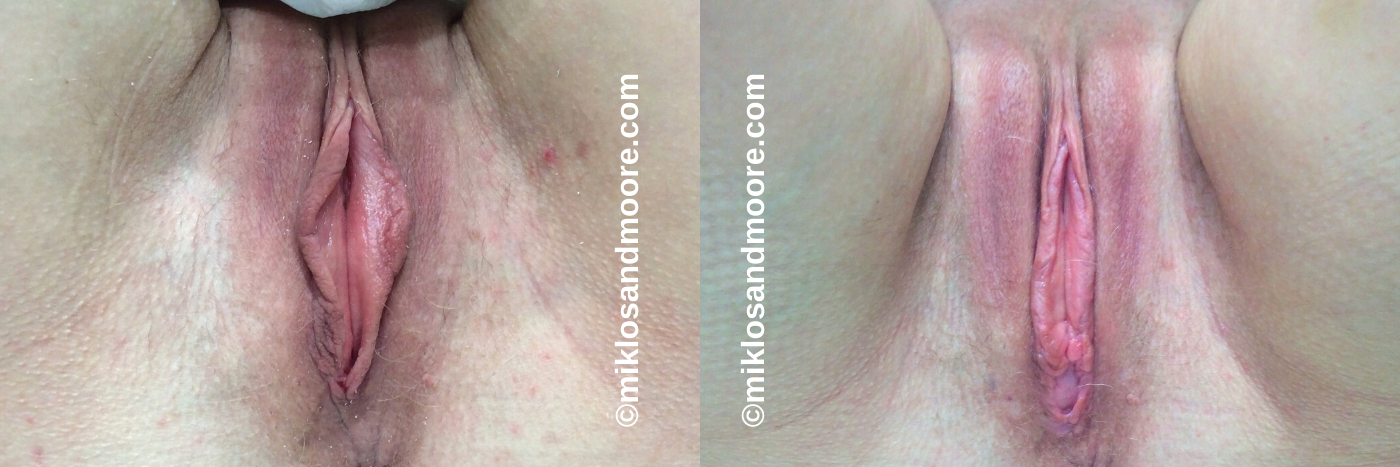
Vaginal Rejuvenation Before & After Photos | Drs. Miklos & Moore
Restoring vaginal support requires precision rather than aggressive tissue tightening. These before and after images showcase thoughtful reconstruction performed by Drs. Miklos and Moore.
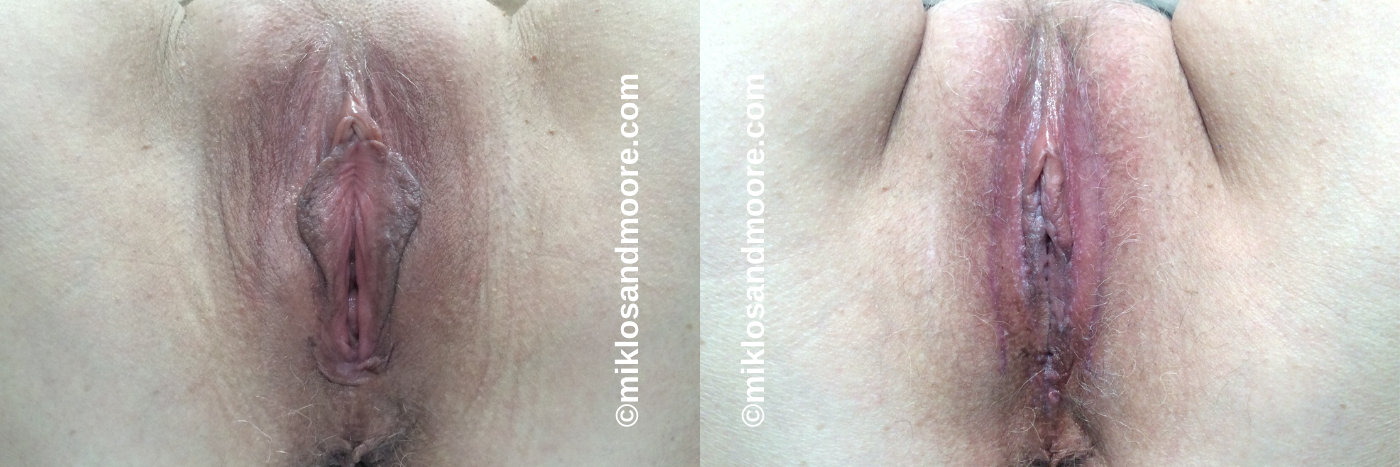
Vaginoplasty Surgery Before & After | Drs. Miklos & Moore
Some patients seek surgery for functional improvement, while others desire greater confidence. Authentic outcomes reflect meticulous planning tailored to each woman's individual anatomical needs.
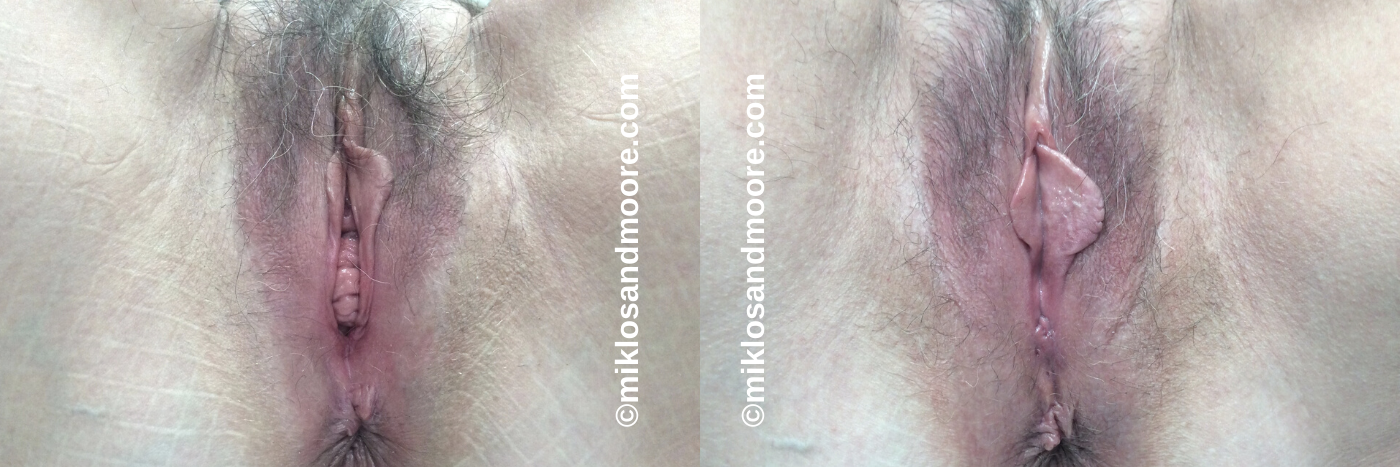
Vaginoplasty After Childbirth | Drs. Miklos & Moore
Natural appearing restoration begins with understanding every woman's anatomical differences. Real patient photographs showcase individualized vaginoplasty performed by Drs. Miklos and Moore.
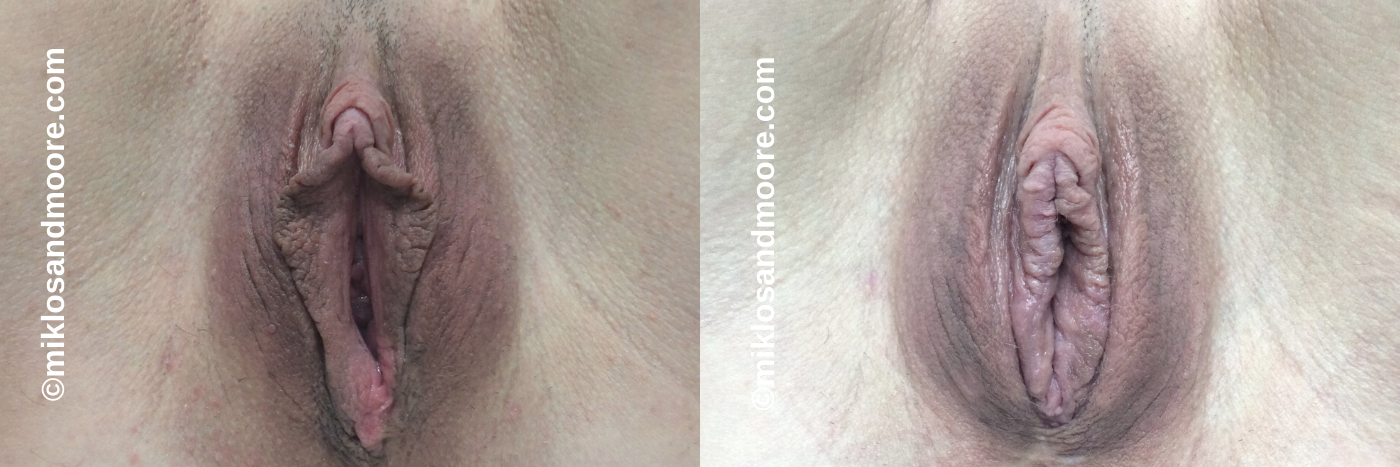
Vaginal Tightening Results Gallery | Drs. Miklos & Moore
Every surgical journey reflects unique anatomy instead of standardized treatment methods alone. These authentic patient results demonstrate balanced reconstruction with long-lasting functional improvement naturally.
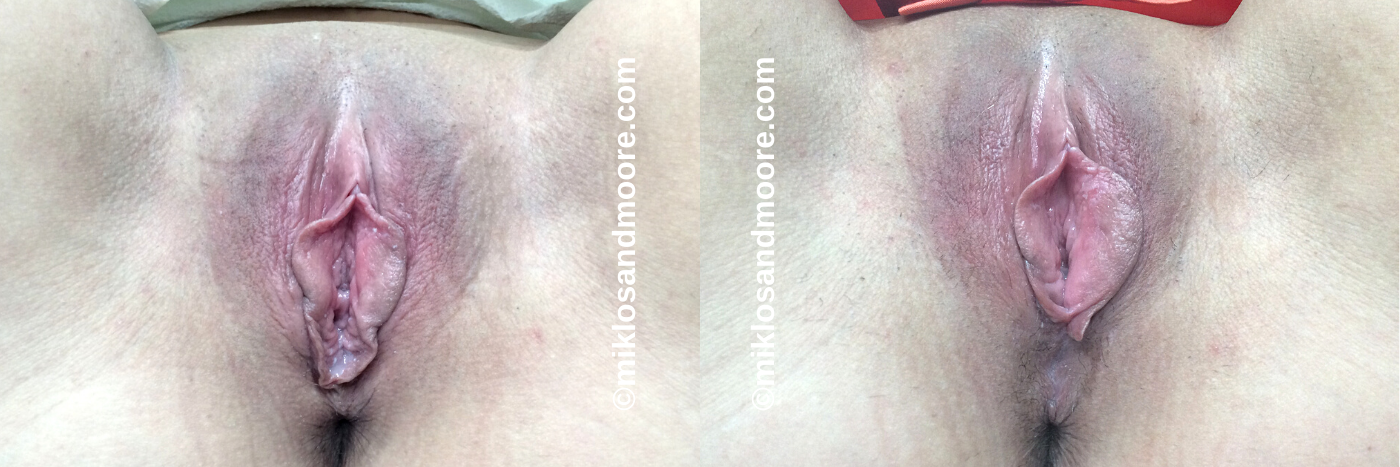
Restored Vaginal Tone Before & After | Drs. Miklos & Moore
Restoring vaginal support requires precision experience and individualized surgical judgment always. Authentic before and after photographs illustrate customized reconstruction preserving natural feminine anatomy beautifully.
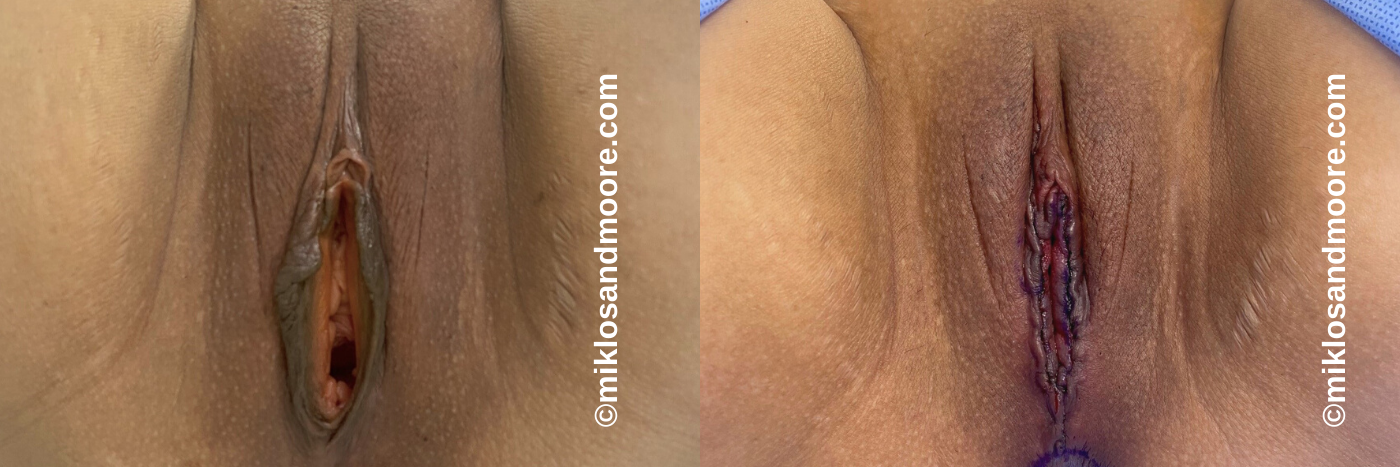
Customized Vaginoplasty Results | Drs. Miklos & Moore
Real women achieved these results through personalized reconstructive surgery after childbirth. Authentic outcomes showcase careful planning restoring support while maintaining natural feminine proportions throughout.
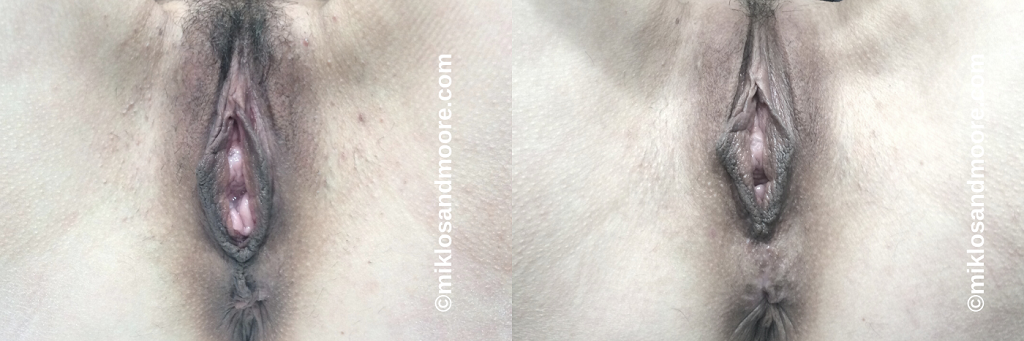
Vaginoplasty Support Restoration | Drs. Miklos & Moore
Thoughtful surgical technique creates balanced restoration without sacrificing natural appearance ever. These authentic photographs feature individualized vaginoplasty by Drs. Miklos and Moore consistently.
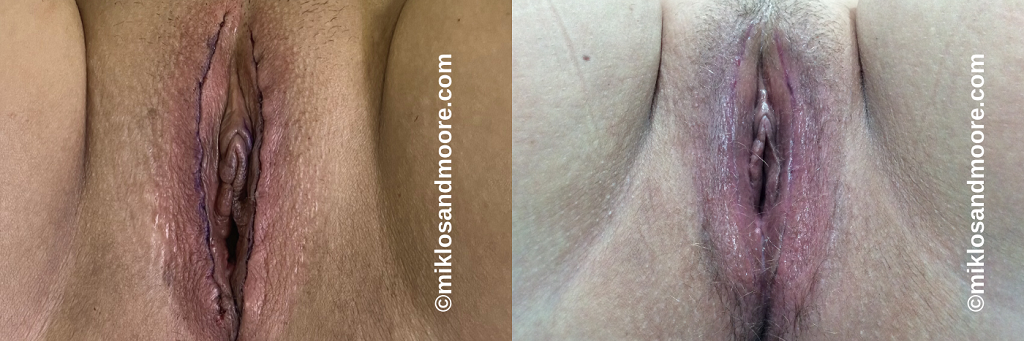
Vaginal Tissue Repair Before & After | Drs. Miklos & Moore
Experienced surgeons tailor every vaginoplasty procedure to individual anatomy, creating stronger support with beautifully balanced, natural-looking results for every patient treated here today confidently.
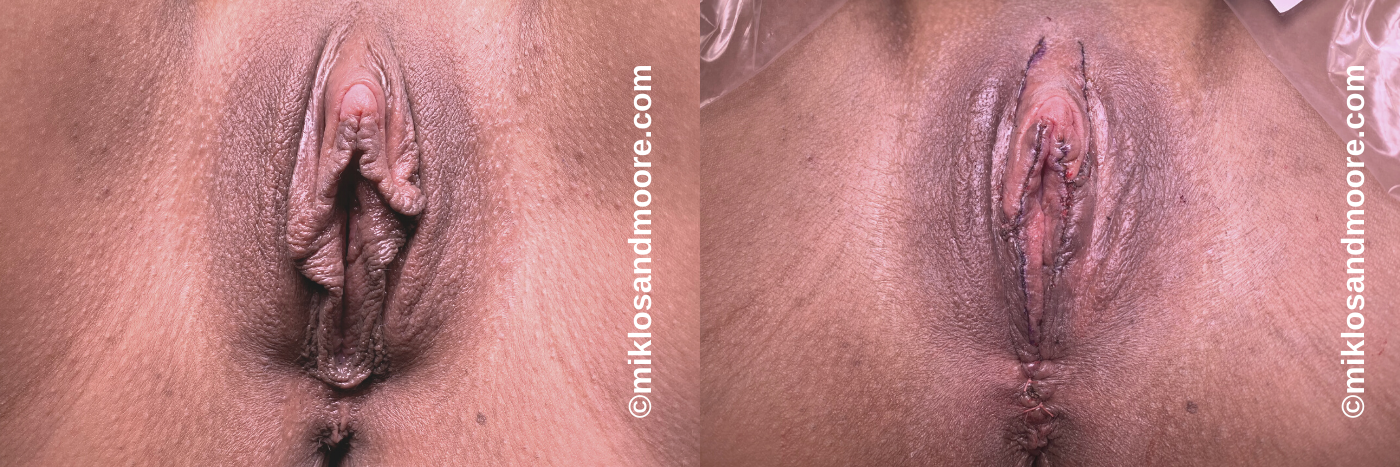
Natural Vaginoplasty Results | Drs. Miklos & Moore
Authentic before and after photographs reveal customized reconstruction designed around each woman's goals and unique tissue characteristics alone naturally achieved beautifully always carefully planned.
Advanced Vaginal Tightening Surgery | Drs. Miklos & Moore
Childbirth affects every woman differently. Personalized vaginoplasty restores support while respecting natural anatomy through meticulous surgical planning and experience together successfully today always gently.
Vaginal Rejuvenation Results | Drs. Miklos & Moore
Confidence often returns after restoring weakened vaginal tissues. These authentic results highlight individualized reconstruction by Drs. Miklos and Moore beautifully performed today consistently always.
Vaginal Laxity Correction Photos | Drs. Miklos & Moore
Every photograph represents a unique surgical story, demonstrating personalized vaginoplasty with carefully restored support and naturally balanced feminine anatomy throughout always for everyone today.
Expert Vaginoplasty Before & After | Drs. Miklos & Moore
Many women seek improved comfort alongside enhanced confidence. Authentic patient photographs showcase customized vaginoplasty delivering stronger support with elegant natural outcomes consistently for everyone today.
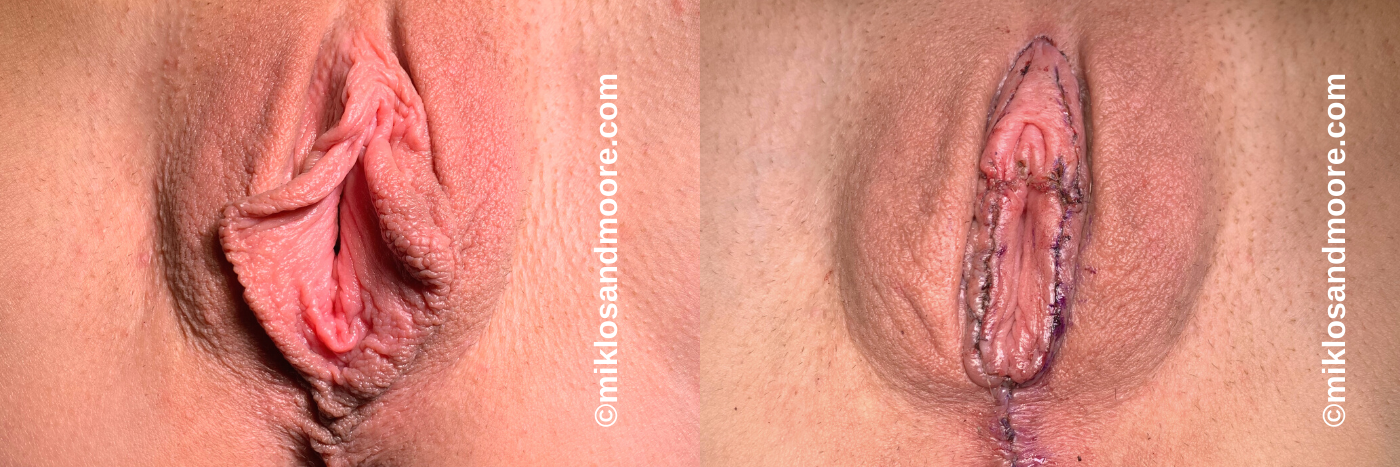
Vaginoplasty Transformation Gallery | Drs. Miklos & Moore
Reconstruction restores function without creating an unnatural appearance. Real surgical outcomes demonstrate individualized techniques preserving healthy anatomy and lasting confidence beautifully for every patient today.
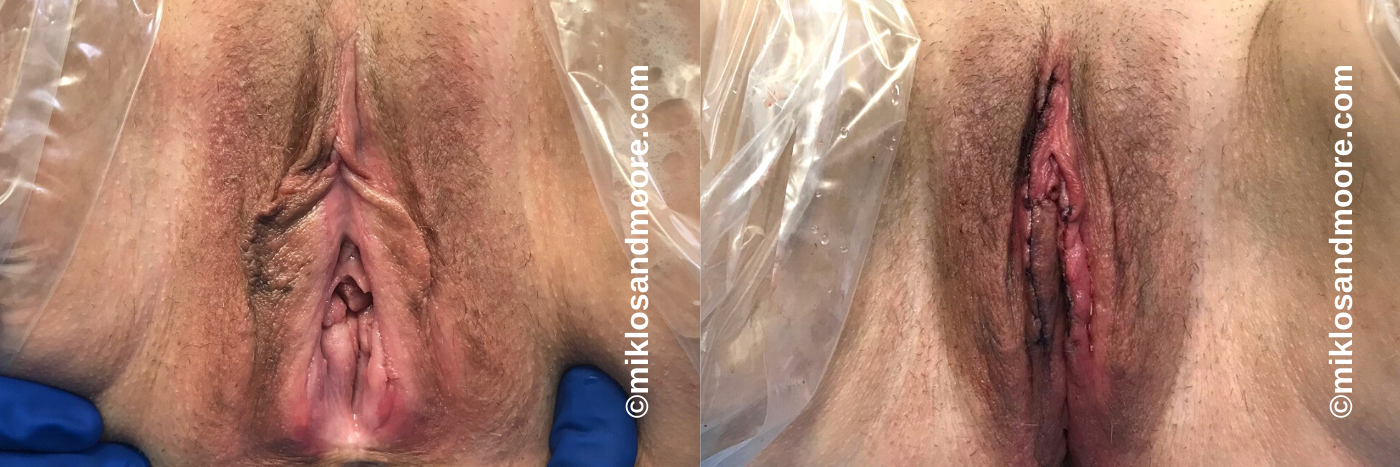
Vaginoplasty Before & After Gallery | Drs. Miklos & Moore
Each procedure begins with detailed anatomical evaluation before surgical planning. Photographs reveal personalized vaginoplasty achieving balanced support and refined feminine contours naturally for every patient.
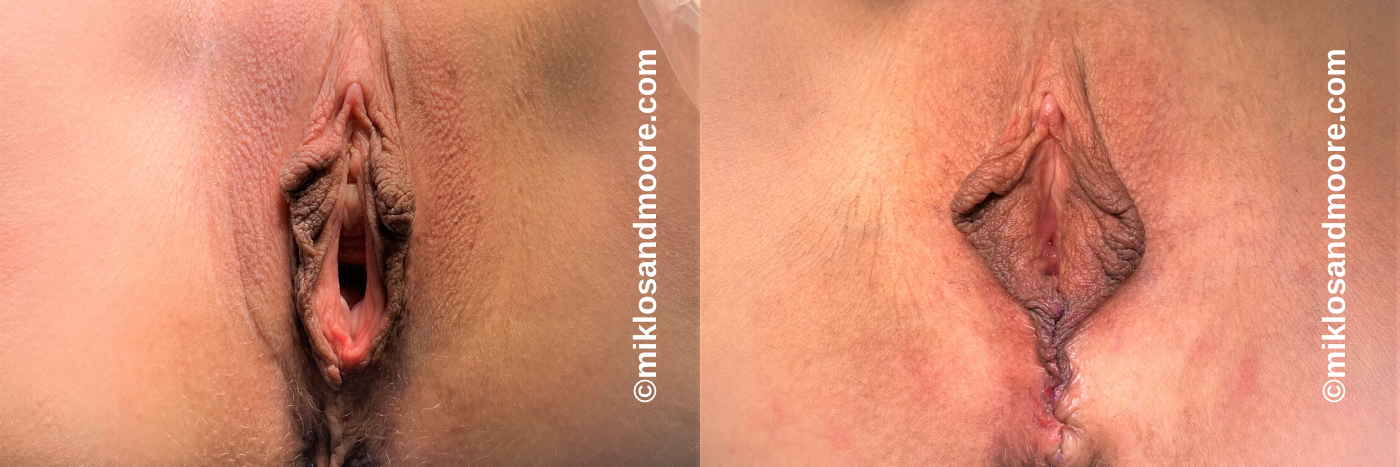
Vaginal Reconstruction Before & After | Drs. Miklos & Moore
Individual goals influence every reconstructive decision throughout treatment planning. These before and after images showcase customized surgical outcomes reflecting precision and experience together for every woman.
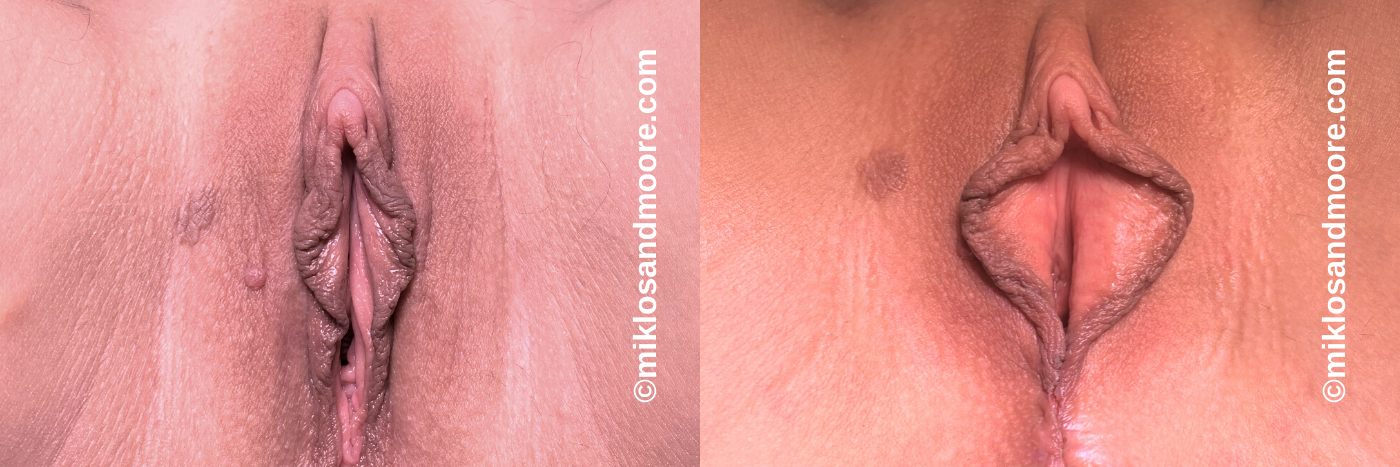
Advanced Vaginoplasty Before & After Photos | Drs. Miklos & Moore
Authentic patient galleries help women understand realistic surgical possibilities completely. Personalized vaginoplasty restores support while maintaining beautiful natural anatomy for lasting confidence every single day.
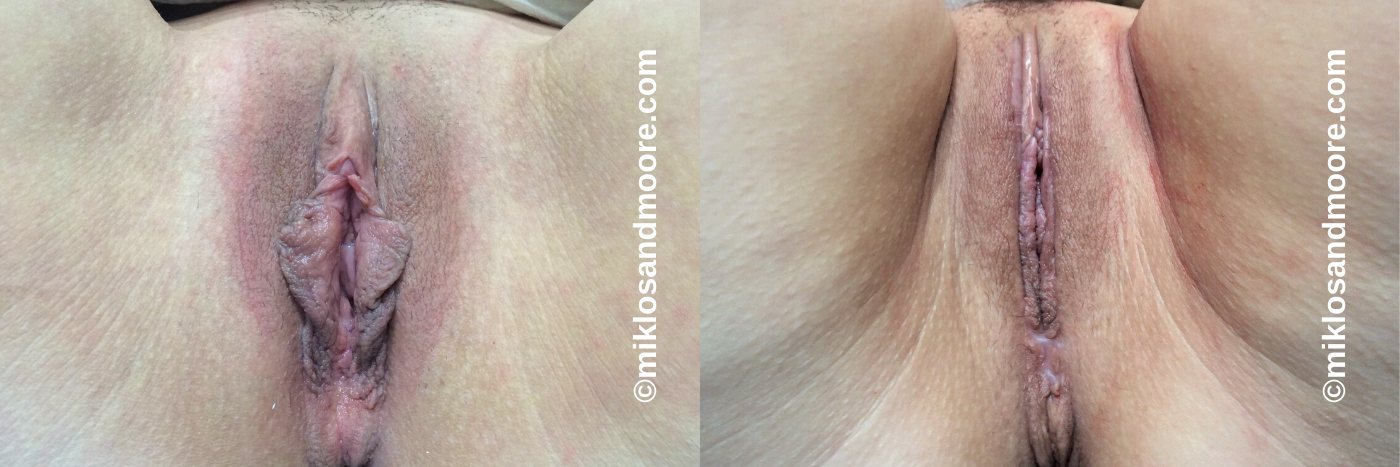
Personalized Vaginoplasty Results Gallery | Drs. Miklos & Moore
Restored support and balanced anatomy remain priorities during every procedure. Browse authentic vaginoplasty outcomes reflecting individualized reconstruction and meticulous surgical craftsmanship throughout every patient's journey successfully.
Understanding Vaginoplasty Results
These vaginoplasty before and after photos highlight the results that may be achieved with vaginoplasty, a surgical procedure designed to tighten and reconstruct the vaginal canal by repairing stretched muscles and connective tissues that have weakened due to childbirth, aging, menopause, or other factors. Many women choose vaginoplasty to improve vaginal laxity, restore vaginal support, enhance sensation during intimacy, and regain confidence after changes caused by pregnancy or the natural aging process.
During your consultation, Dr. John Miklos and Dr. Robert Moore perform a comprehensive pelvic floor evaluation to determine whether vaginoplasty alone or a combination of procedures, such as perineoplasty, will best address your symptoms and treatment goals. These photographs are provided for educational purposes to help patients better understand the procedure and the types of results that may be achieved. Because every woman’s anatomy, tissue quality, and healing process are different, individual results vary, and no two patients will have identical outcomes.
Frequently Asked Questions About Vaginoplasty
1. What is vaginoplasty?
Vaginoplasty is a surgical procedure that tightens and reconstructs the vaginal canal by repairing the muscles and connective tissues that have become stretched or weakened. Most commonly performed after childbirth or due to age-related changes, vaginoplasty helps restore vaginal support, improve vaginal laxity, and enhance both function and confidence.
2. Who is a good candidate for vaginoplasty?
You may be a candidate for vaginoplasty if you experience:
- Vaginal laxity after childbirth
- Loss of vaginal tightness
- Weakened vaginal muscles
- Decreased sensation during intimacy
- Childbirth-related stretching of the vaginal canal
- Changes associated with aging or menopause
- A desire to improve vaginal support and function
A comprehensive evaluation by Dr. John Miklos and Dr. Robert Moore helps determine whether vaginoplasty is the most appropriate treatment or whether another procedure, such as perineoplasty, should also be performed.
3. What is the difference between vaginoplasty and perineoplasty?
Although these procedures are often performed together, they address different areas of the pelvic floor.
Vaginoplasty repairs the deeper muscles and connective tissues of the vaginal canal to restore vaginal support and improve vaginal laxity.
Perineoplasty reconstructs the perineal body and restores the vaginal opening.
During your consultation, Dr. Miklos and Dr. Moore evaluate your entire pelvic floor to determine whether one procedure or a combination of procedures will provide the best possible outcome.
4. Does vaginoplasty tighten the vaginal canal?
Yes. Vaginoplasty is specifically designed to tighten the vaginal canal by repairing stretched muscles and supportive tissues. The goal is to restore vaginal support, improve function, and address vaginal laxity while maintaining normal anatomy.
5. How long does recovery take after vaginoplasty?
Recovery varies from patient to patient. Most women resume many normal daily activities within a few weeks, while complete healing continues over several months. Your surgeon will provide personalized instructions regarding lifting, exercise, and when it is safe to resume sexual activity.
6. Can vaginoplasty improve intimacy?
Many women choose vaginoplasty because childbirth or aging has resulted in vaginal laxity and decreased sensation during intimacy. By restoring support to the vaginal canal, vaginoplasty may improve confidence, comfort, and sexual function. Individual experiences and results vary.
7. Can vaginoplasty be combined with other procedures?
Yes. Vaginoplasty is frequently combined with:
- Perineoplasty
- Pelvic organ prolapse repair
- Labiaplasty
- Clitoral hood reduction
- Other vaginal rejuvenation procedures
Combining procedures allows treatment to be customized to each woman’s anatomy, symptoms, and goals.
8. Will my results look natural?
Yes. The goal of vaginoplasty is to restore the natural support and function of the vaginal canal while maintaining normal anatomy. Dr. Miklos and Dr. Moore customize every procedure based on each patient’s unique anatomy to achieve natural-looking, individualized results.
9. Why do women travel to see Dr. John Miklos and Dr. Robert Moore?
Women from throughout Georgia, across the United States, and internationally seek care from Dr. John Miklos and Dr. Robert Moore because they are fellowship-trained urogynecologists specializing in Female Pelvic Medicine and Reconstructive Surgery (FPMRS). Their practice is dedicated to pelvic floor disorders, vaginal rejuvenation, pelvic organ prolapse, urinary incontinence, and advanced reconstructive surgery.
Rather than recommending the same procedure for every patient, they perform a comprehensive pelvic floor evaluation to identify the underlying cause of each woman’s symptoms and develop a personalized treatment plan based on her anatomy, goals, and lifestyle.
10. Why choose Dr. Miklos and Dr. Moore for vaginoplasty?
Choosing the right surgeon is one of the most important decisions you’ll make.
Dr. John Miklos and Dr. Robert Moore have dedicated their practice to the diagnosis and treatment of female pelvic floor disorders. Their fellowship training in Female Pelvic Medicine and Reconstructive Surgery (FPMRS) provides advanced expertise in pelvic anatomy, childbirth-related pelvic floor injuries, reconstructive surgery, and cosmetic gynecology.
Women choose Miklos & Moore because they offer:
- Fellowship-trained expertise in Female Pelvic Medicine and Reconstructive Surgery (FPMRS)
- Specialized experience in vaginoplasty, perineoplasty, and pelvic floor reconstruction
- Comprehensive pelvic floor evaluations
- Personalized treatment plans based on each patient’s anatomy and goals
- Expertise treating both functional and cosmetic concerns
- Advanced reconstructive surgical techniques
- Care for patients traveling from across the United States and internationally
Their philosophy is simple: every woman deserves an accurate diagnosis, individualized treatment recommendations, and compassionate care focused on restoring vaginal support, improving function, enhancing confidence, and improving quality of life
11. How long do vaginoplasty results last?
Vaginoplasty is designed to provide long-lasting results by repairing and tightening the muscles and connective tissues of the vaginal canal. Because the stretched tissues are surgically reconstructed, many women enjoy the benefits of the procedure for many years. However, factors such as future pregnancy, vaginal childbirth, the natural aging process, menopause, and lifestyle can affect the long-term results. Following your surgeon’s postoperative instructions and maintaining good pelvic floor health can help support your outcome. During your consultation, Dr. John Miklos and Dr. Robert Moore will discuss what you can realistically expect based on your individual anatomy, lifestyle, and treatment goals.
12. Can vaginoplasty be performed after menopause?
Yes. Many women choose vaginoplasty after menopause to address vaginal laxity, decreased support, and changes that have developed over time. Menopause can affect tissue elasticity because of declining estrogen levels, but healthy postmenopausal women are often excellent candidates for surgery. During your consultation, Dr. John Miklos and Dr. Robert Moore will evaluate your pelvic floor, review your medical history, discuss any menopausal symptoms that may affect healing, and determine whether vaginoplasty alone or a combination of treatments will provide the best outcome. Every treatment plan is individualized to help restore vaginal support, improve function, and achieve natural-looking results.
13. Does vaginoplasty make you tighter?
This is one of the most common questions women ask when considering vaginoplasty. The goal of vaginoplasty is to restore the muscles and connective tissues that have stretched due to childbirth, aging, or other factors, helping to improve vaginal support and reduce vaginal laxity. Rather than creating an unnaturally “tight” result, the procedure is designed to restore normal anatomy and function while maintaining comfort. During your consultation, Dr. John Miklos and Dr. Robert Moore carefully evaluate your anatomy and tailor the procedure to your individual needs, helping achieve balanced, natural-looking results that prioritize both function and patient comfort.