
Revision Labiaplasty Before and After Photos
Revision labiaplasty is a specialized surgical procedure performed to improve the appearance, function, or comfort of the labia following a previous labiaplasty. Some women seek revision surgery because they are dissatisfied with the cosmetic results of their original procedure, experience persistent discomfort, have noticeable asymmetry, excessive tissue removal, scar tissue, or require correction of complications from a prior surgery. Revision labiaplasty requires advanced knowledge of female pelvic anatomy and careful surgical planning to restore both appearance and function while preserving normal sensation.
The before and after photos below feature real patients who underwent revision labiaplasty performed by Dr. John Miklos and Dr. Robert Moore. These images demonstrate how revision surgery can improve symmetry, restore natural contours, address scar tissue, and enhance both comfort and confidence. Because every revision case is unique, each procedure is carefully customized to the patient’s anatomy, previous surgical history, and individual treatment goals.
Women often choose revision labiaplasty to address:
- Unsatisfactory cosmetic results from a previous labiaplasty – Botched Labiaplasty
- Labial asymmetry following surgery
- Excessive or insufficient tissue removal
- Visible scar tissue
- Discomfort during exercise or intimacy
- Tightness, pulling, or irritation after healing
- Functional concerns following a previous procedure
- A desire to improve both the appearance and comfort of the vulva
While these before and after photos demonstrate real surgical outcomes, every woman’s anatomy, healing process, and revision needs are unique. During your consultation, Dr. John Miklos and Dr. Robert Moore perform a comprehensive evaluation of your previous surgery, discuss your concerns and goals, and determine whether revision labiaplasty alone or in combination with other vaginal rejuvenation procedures is the most appropriate treatment to achieve the best possible outcome.
Warning: This page contains clinical before and after photographs of intimate surgical procedures. These images are intended for education purposes and to help prospective patients understand potential surgical outcomes. By continuing, you acknowledge you are at least 18 years of age and are viewing this information for legitimate medical or educational purposes.
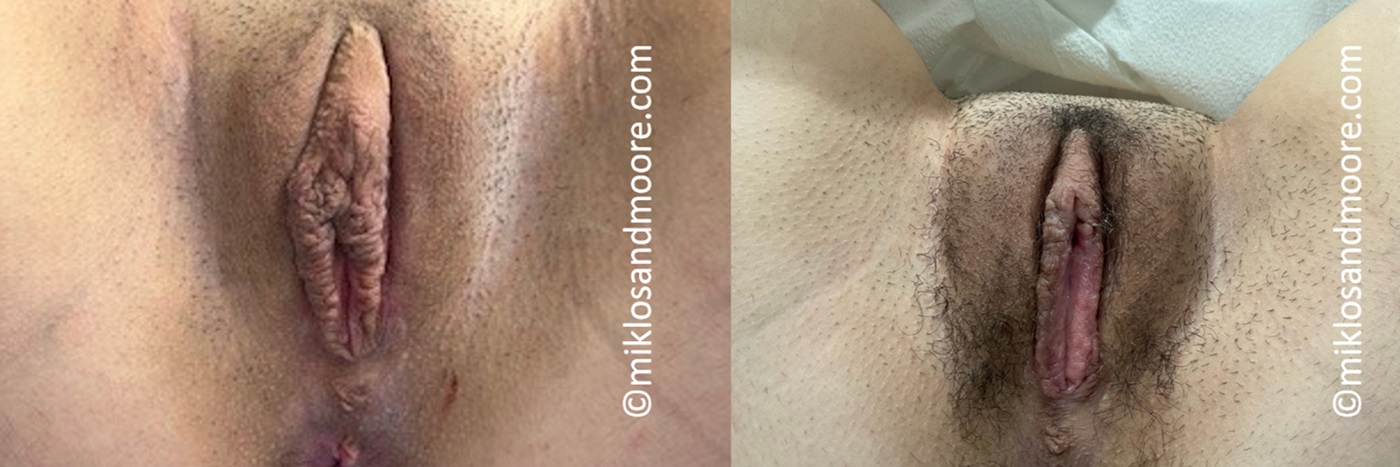
Botched Labiaplasty Revision Before & After Photos | Drs. Miklos & Moore
A previous labiaplasty does not always produce the desired outcome. These authentic before and after photos showcase complex revision procedures performed by Drs. Miklos and Moore.
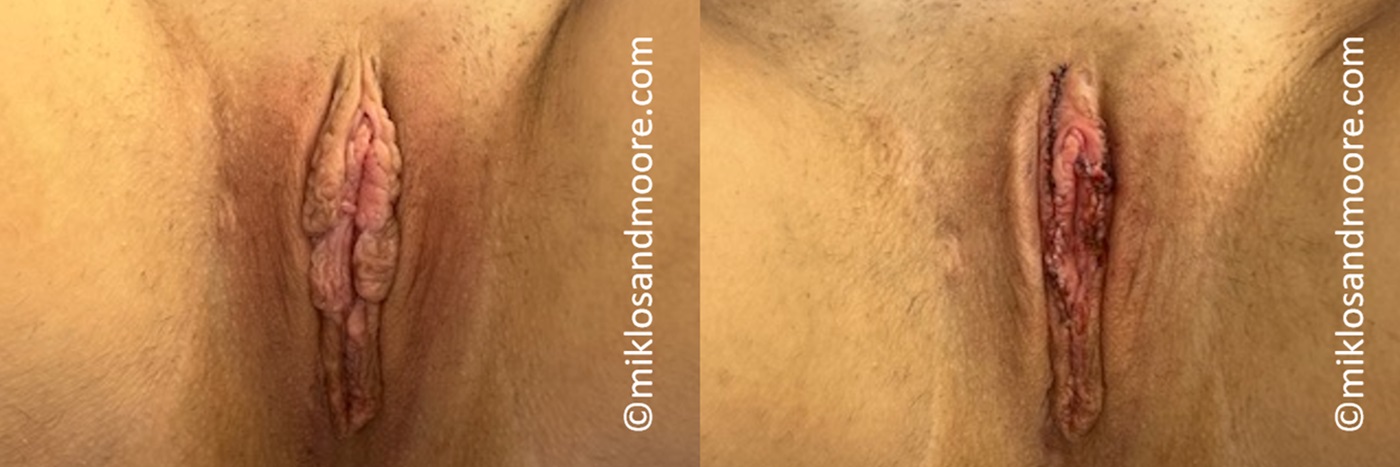
Botched Labiaplasty Repair Before & After Photos | Drs. Miklos & Moore
Every revision case presents unique surgical challenges. Browse real patient photographs demonstrating how Drs. Miklos and Moore correct unsatisfactory labiaplasty results with individualized treatment plans.
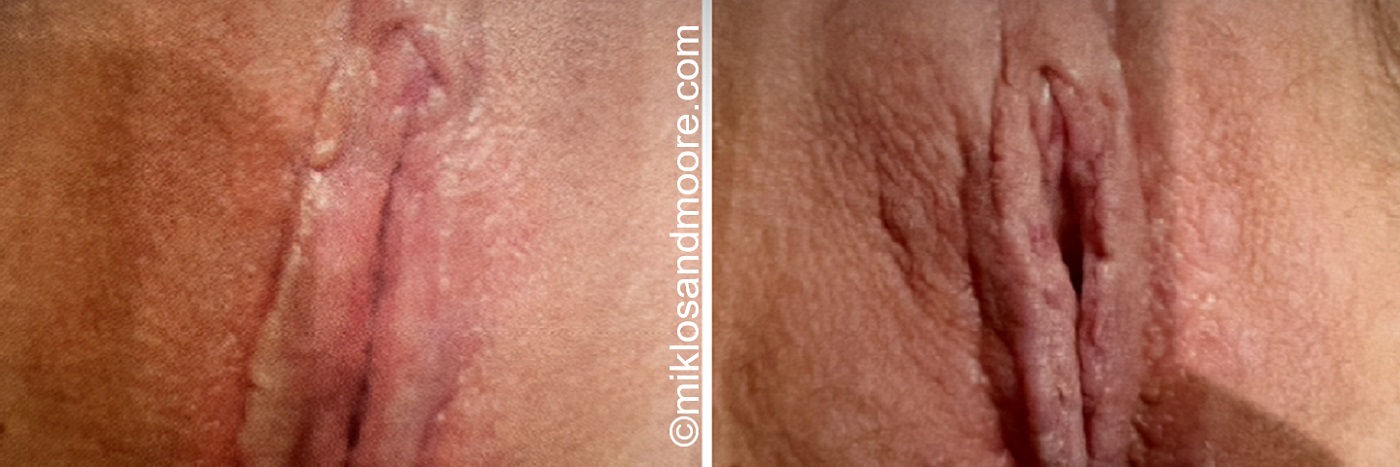
Revision After Botched Labiaplasty | Drs. Miklos & Moore
These authentic before and after images feature women seeking correction after a prior labiaplasty. Each revision was carefully customized to restore natural-looking feminine anatomy.
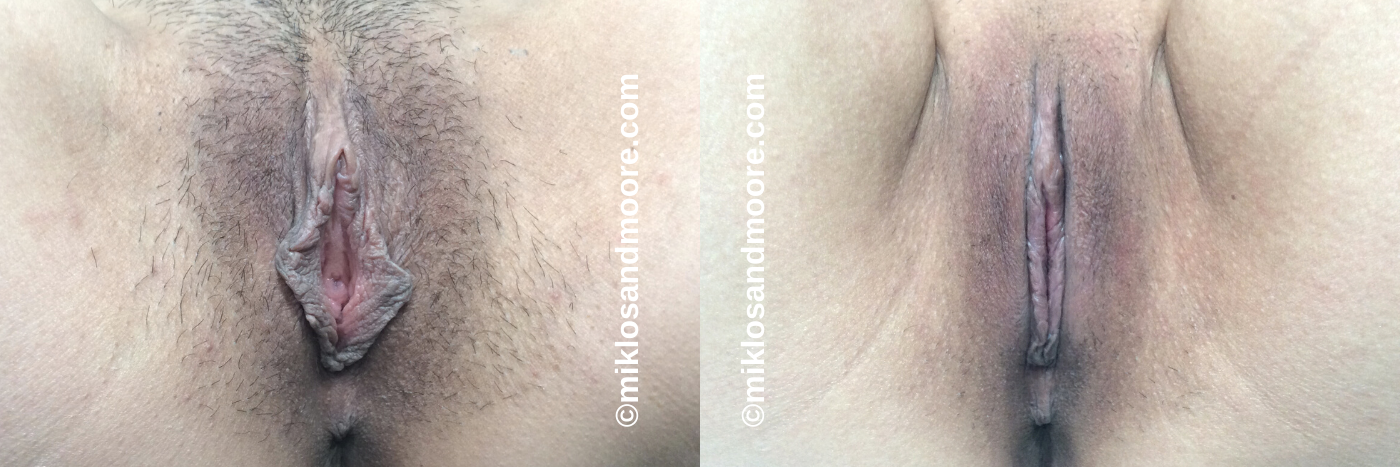
Complex Labiaplasty Revision Photos | Drs. Miklos & Moore
Not every labiaplasty is performed with the same level of expertise. Explore revision surgery results highlighting personalized reconstruction by Drs. Miklos and Moore.
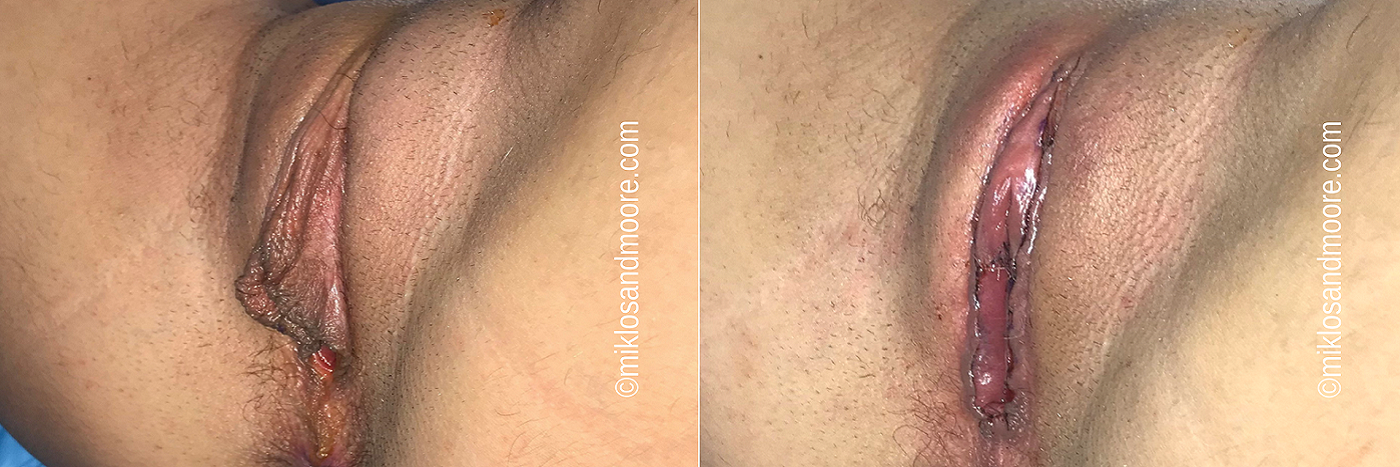
Botched Labiaplasty Reconstruction | Drs. Miklos & Moore
Women travel from across the country for complex revision surgery. These before and after photographs demonstrate individualized correction of previous labiaplasty procedures.
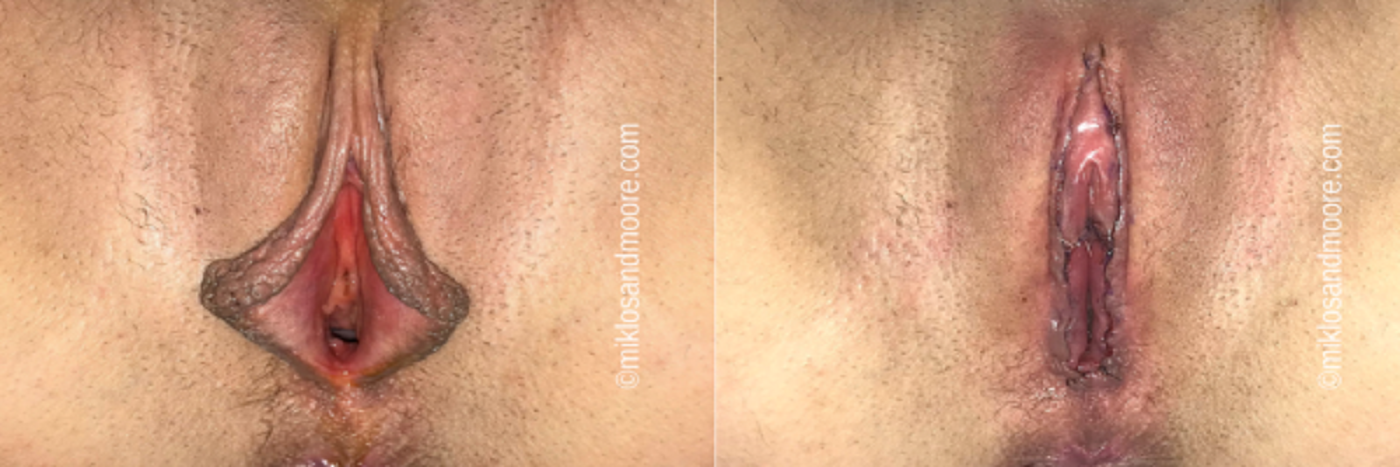
Botched Labiaplasty Correction Photos | Drs. Miklos & Moore
Revision labiaplasty requires experience, precision, and thoughtful planning. View authentic patient results illustrating customized reconstruction after unsatisfactory cosmetic surgery.
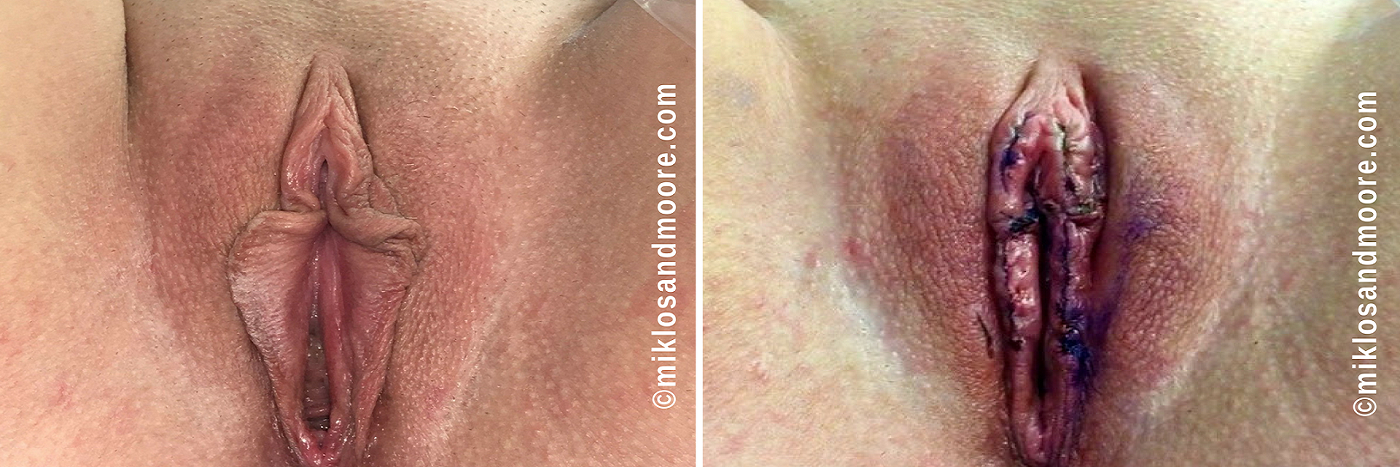
Labiaplasty Revision Specialists | Drs. Miklos & Moore
Some patients seek revision because too much tissue was removed during a previous procedure. These authentic photographs demonstrate personalized restorative surgery by Drs. Miklos and Moore.
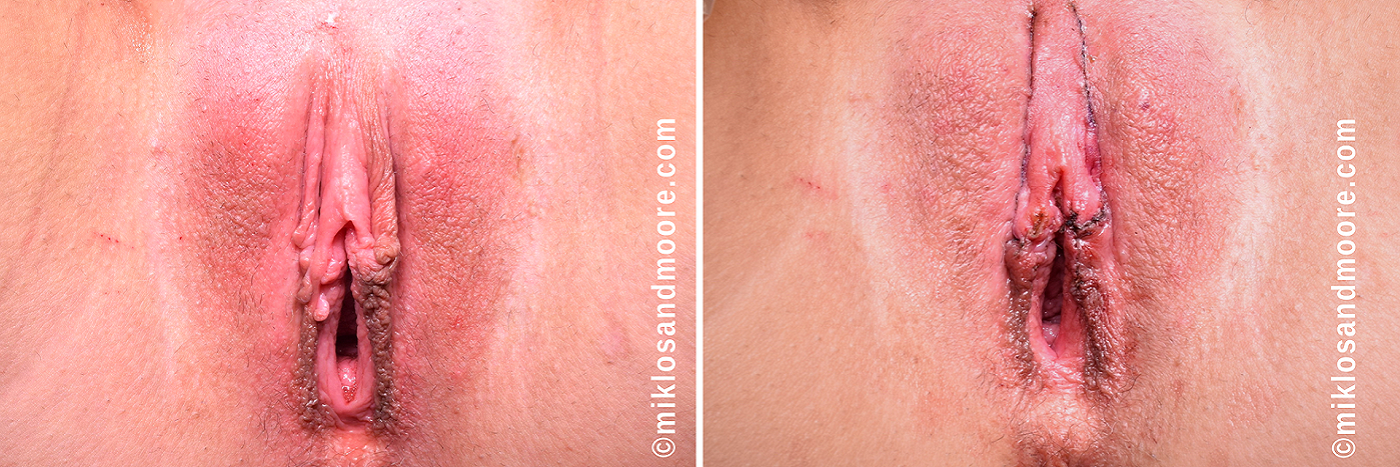
Botched Labiaplasty Repair Gallery | Drs. Miklos & Moore
Every unsuccessful labiaplasty presents different anatomical concerns. Browse real patient results showcasing individualized revision techniques designed to restore symmetry and natural appearance.
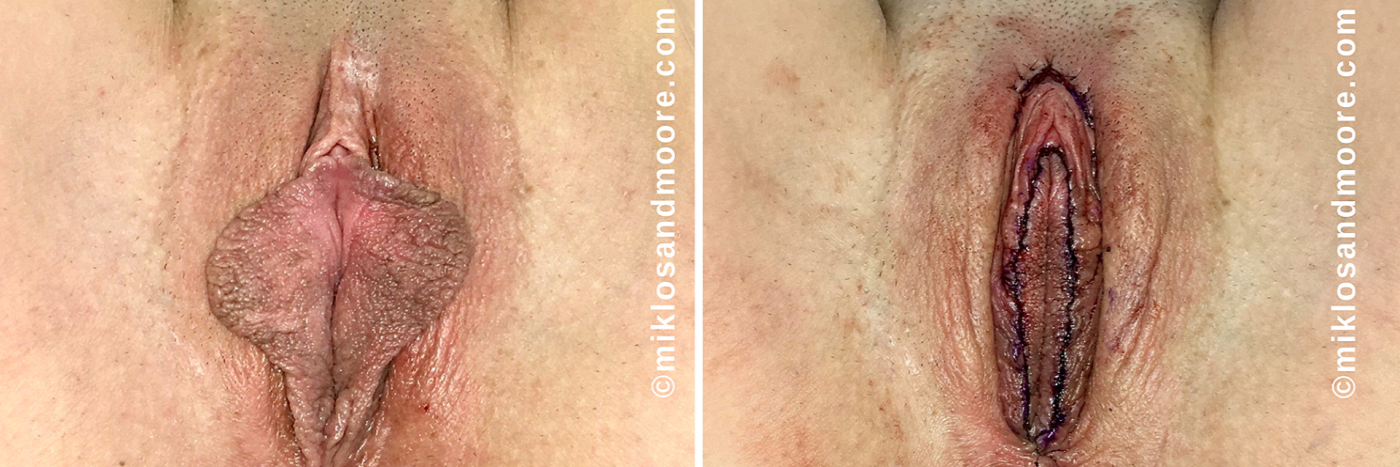
Complex Botched Labiaplasty Revision | Drs. Miklos & Moore
These authentic before and after photographs highlight women who underwent revision surgery after disappointing cosmetic outcomes from previous labiaplasty procedures performed elsewhere.
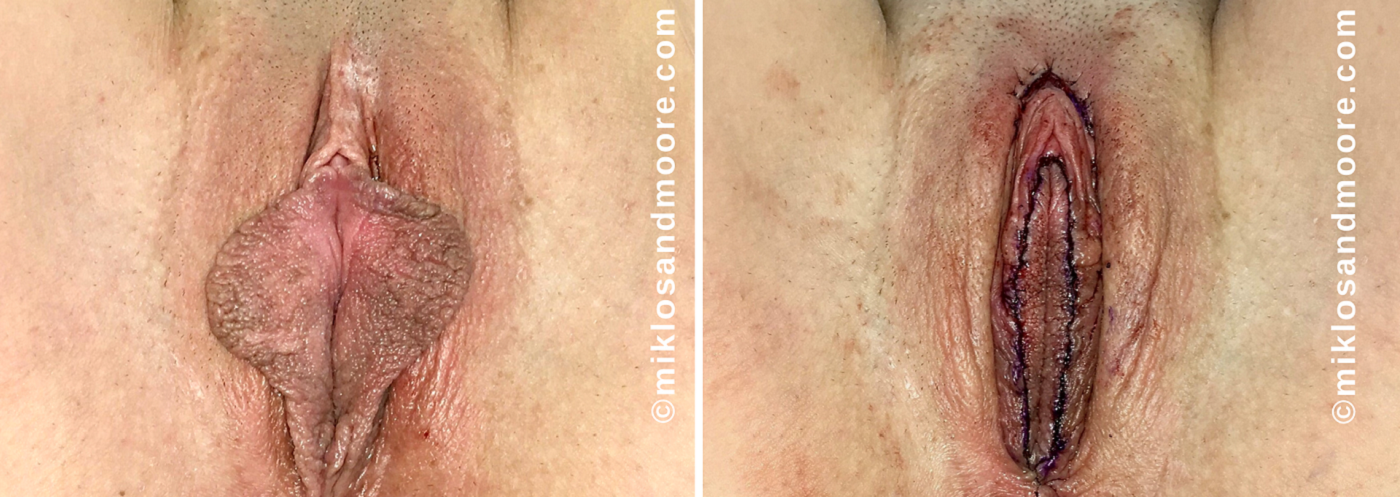
Botched Labiaplasty Revision Results | Drs. Miklos & Moore
Correcting a botched labiaplasty often requires advanced reconstructive techniques. Explore personalized revision procedures performed by Drs. Miklos and Moore for complex anatomical concerns.
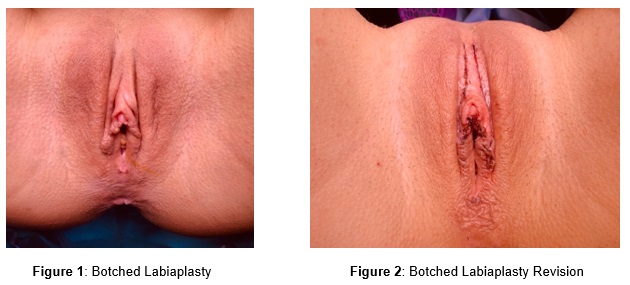
Revision Botched Labiaplasty Cosmetic Results | Drs. Miklos & Moore
Revision surgery is rarely routine because every patient presents differently. These before and after photos demonstrate customized solutions for previously unsuccessful labiaplasty procedures.
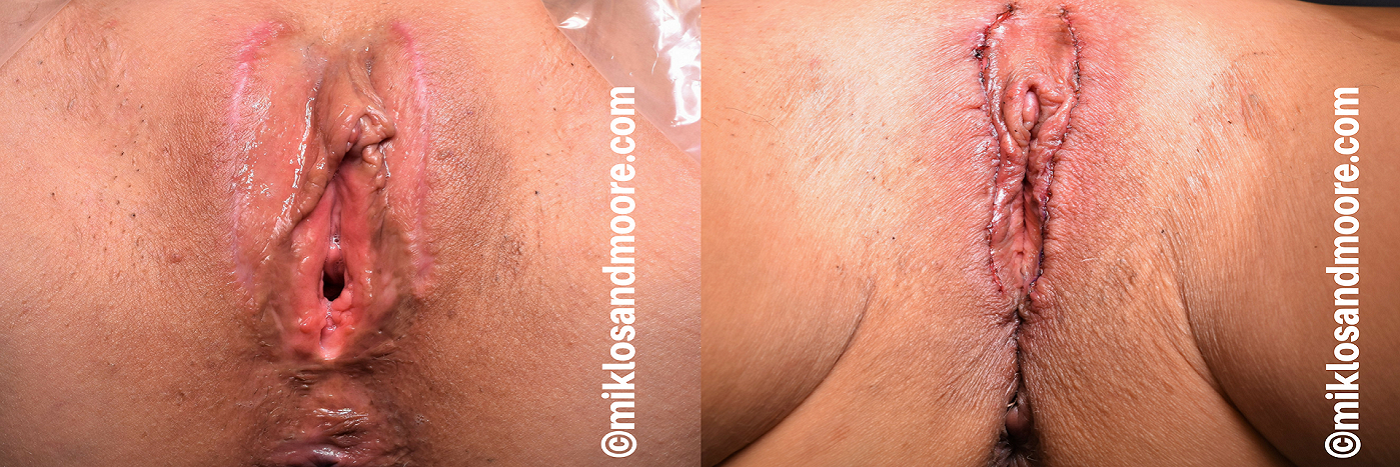
Over-Resected Labiaplasty Revision | Drs. Miklos & Moore
Real patient photographs illustrate how individualized revision surgery can improve symmetry, contour, and overall appearance following a prior unsatisfactory labiaplasty.
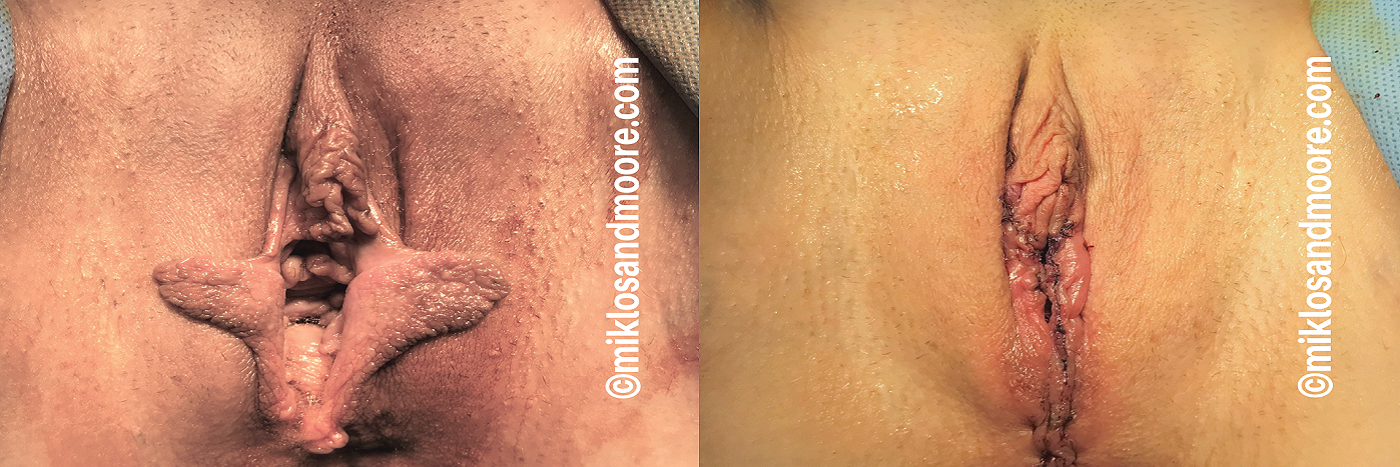
Notched Labiaplasty Repair Photos | Drs. Miklos & Moore
Women seeking revision often arrive with significant cosmetic concerns from previous surgery. Browse authentic before and after results showcasing meticulous reconstruction by Drs. Miklos and Moore.
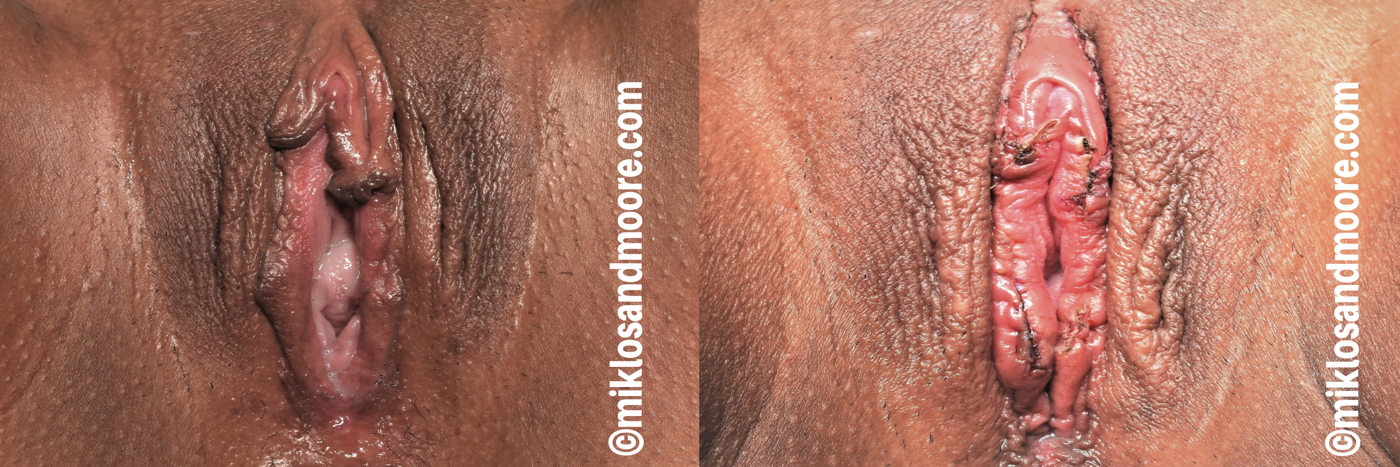
Botched Labiaplasty Symmetry Repair | Drs. Miklos & Moore
These authentic revision labiaplasty photographs demonstrate how personalized surgical planning can restore balance after previous over-resection, asymmetry, or contour irregularities.
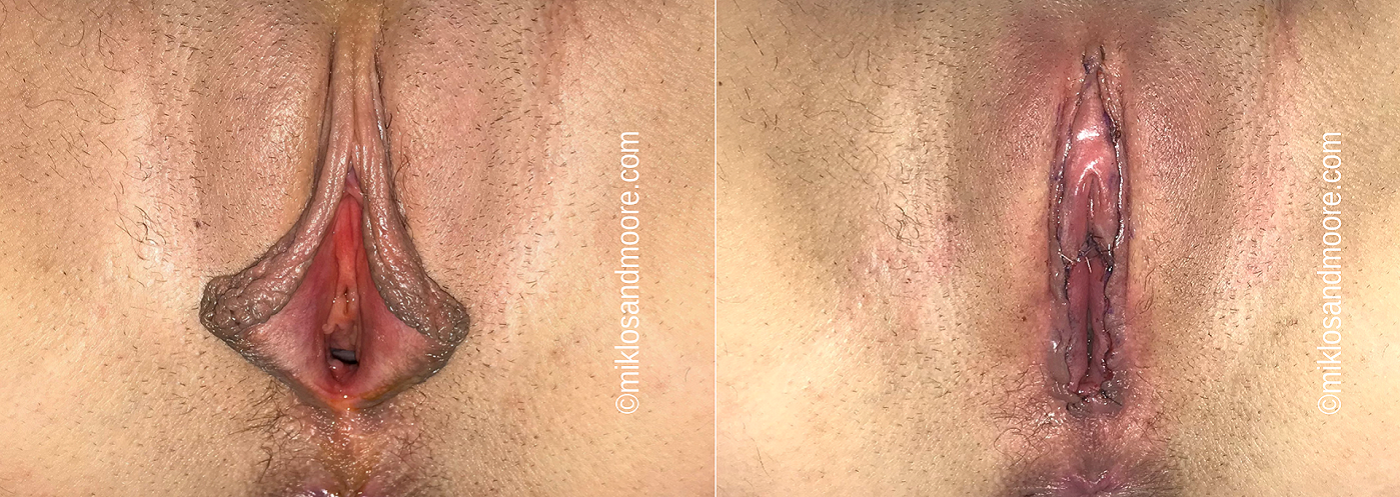
Scar Revision Labiaplasty Photos | Drs. Miklos & Moore
No two revision procedures are exactly alike because every previous surgery creates different challenges. View real patient outcomes from Drs. Miklos and Moore.
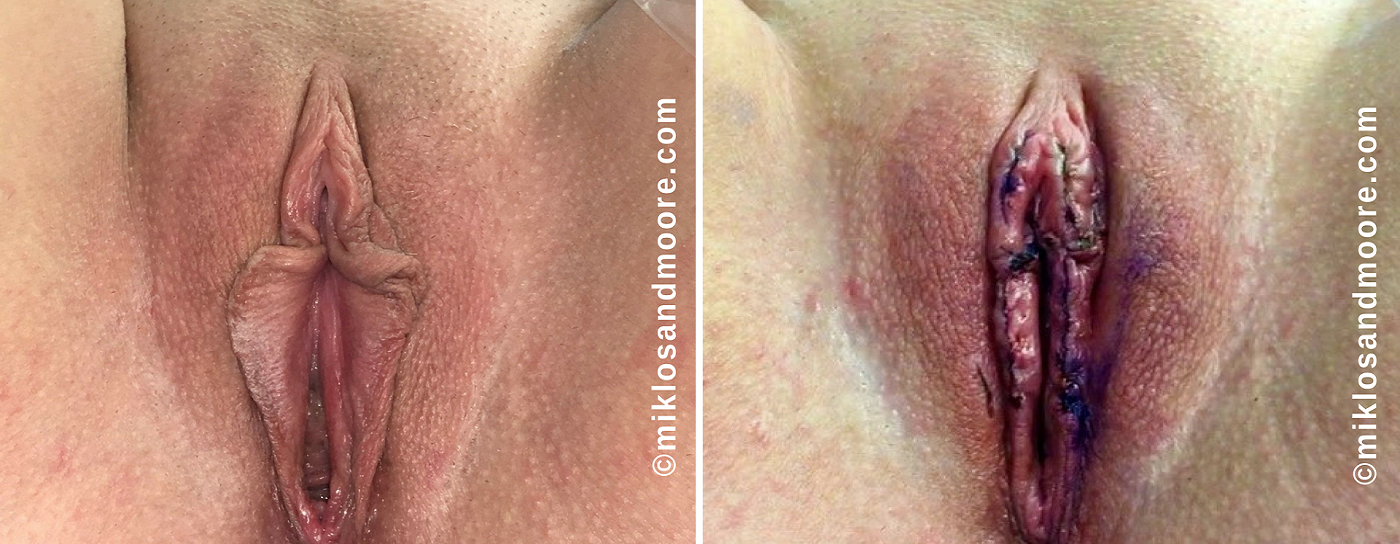
Complex Revision Labiaplasty Results | Drs. Miklos & Moore
Repairing a failed labiaplasty often demands specialized reconstructive experience. These before and after photographs highlight customized revision techniques for complex patient presentations.
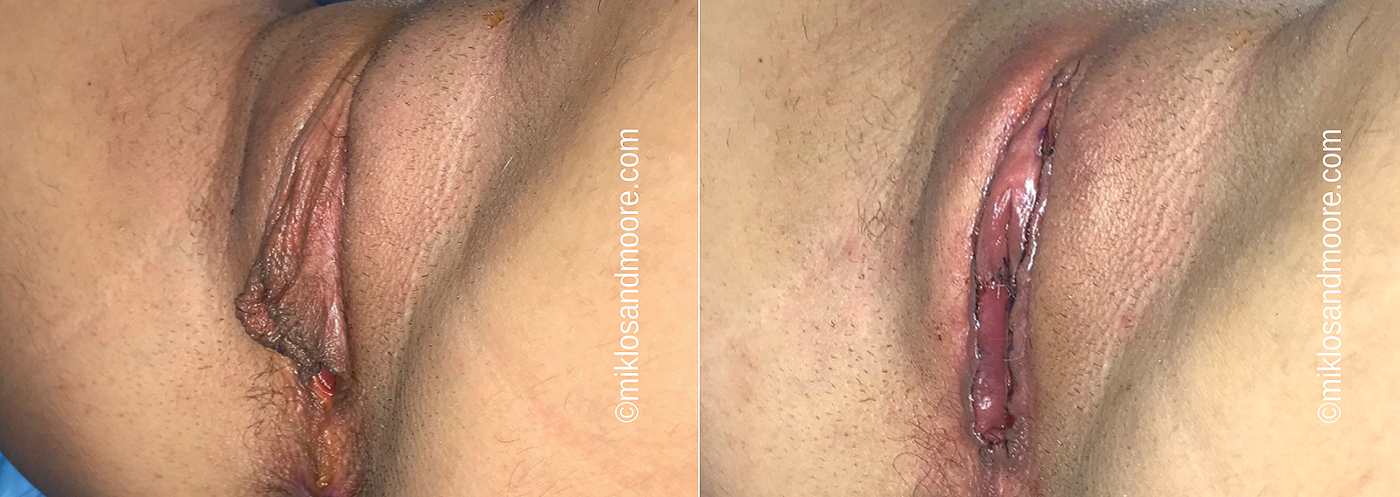
Failed Labiaplasty Reconstruction | Drs. Miklos & Moore
These real patient results demonstrate how advanced revision surgery can restore natural contours following previous cosmetic procedures that produced unsatisfactory or uneven outcomes.
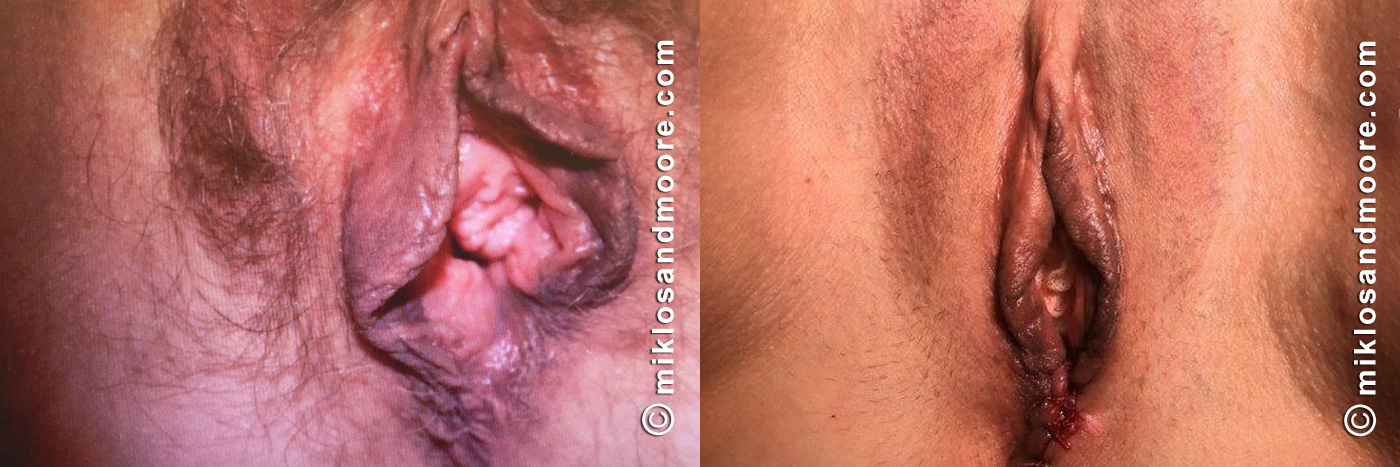
Corrective Labiaplasty Before & After Photos | Drs. Miklos & Moore
Patients with botched labiaplasty frequently require individualized reconstruction rather than simple tissue removal. Browse authentic photographs illustrating personalized corrective surgery.
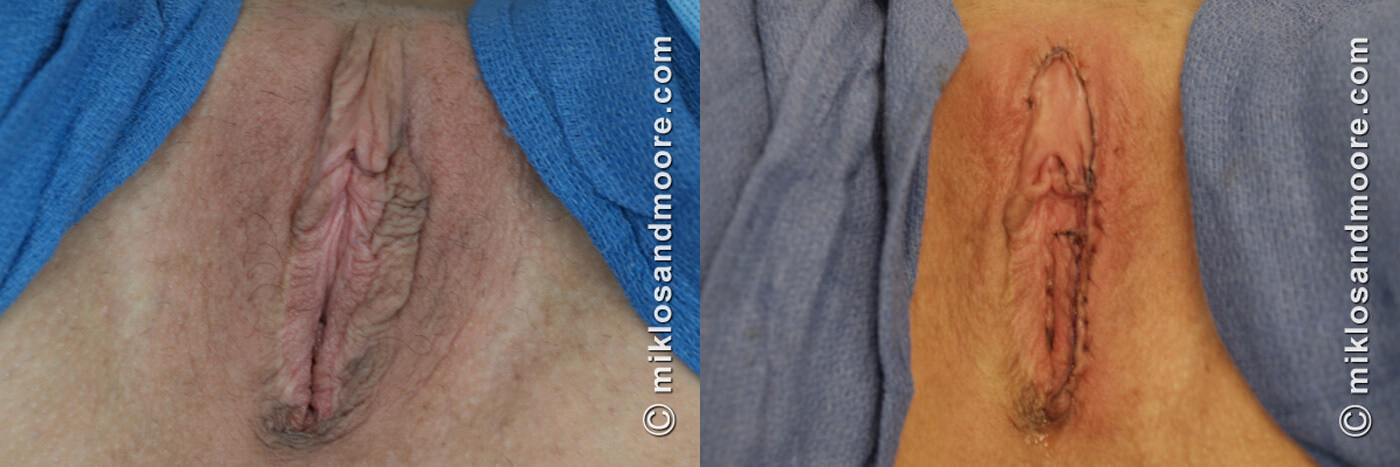
Over-Resection Labiaplasty Revision | Drs. Miklos & Moore
Restoring confidence after a disappointing cosmetic outcome requires careful surgical planning. These before and after images showcase customized revision procedures by Drs. Miklos and Moore.
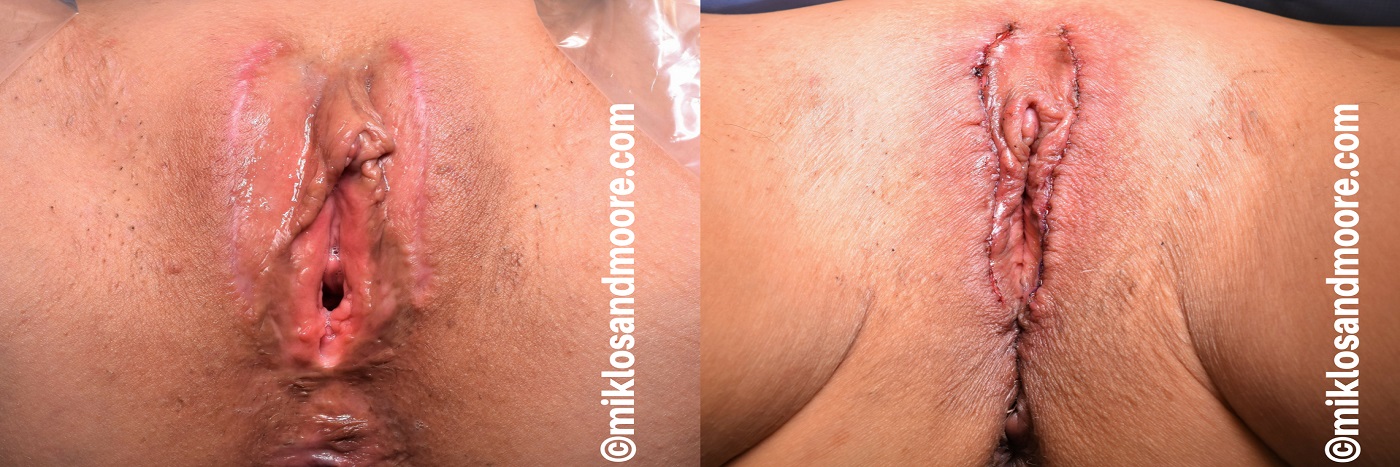
Botched Labiaplasty Reconstruction Results | Drs. Miklos & Moore
Every revision begins with understanding what happened during the original surgery. Explore authentic patient photographs demonstrating individualized reconstruction and natural-looking restorative results.
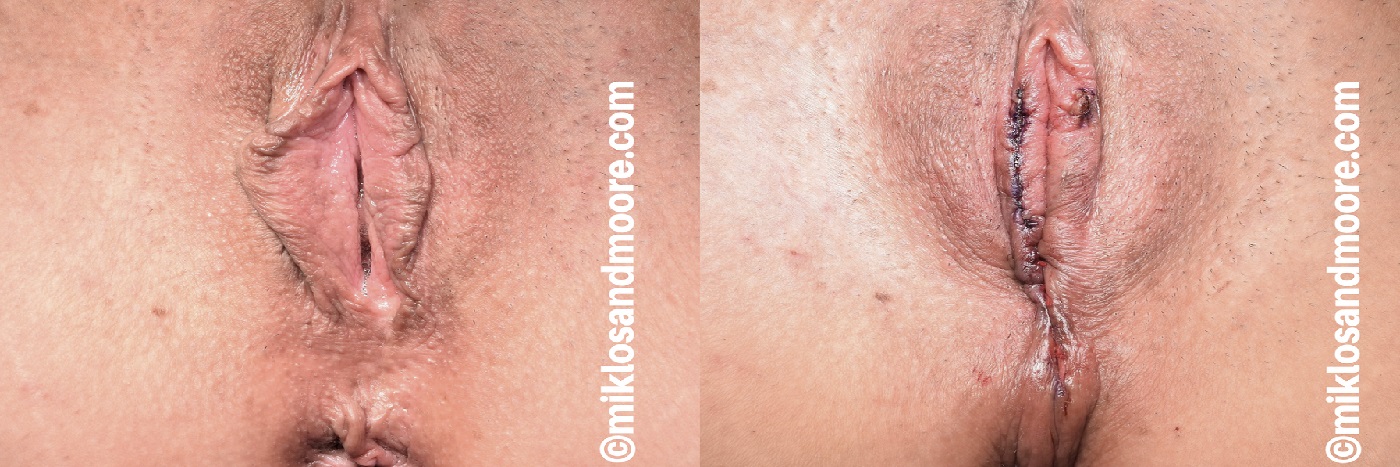
Botched Labiaplasty Before & After Results | Drs. Miklos & Moore
Browse authentic botched revision labiaplasty before and after photos featuring complex corrective procedures designed to restore symmetry, improve contour, and preserve natural feminine anatomy by Drs. Miklos and Moore.
Understanding Revision Labiaplasty Results
These revision labiaplasty before and after photos highlight the results that may be achieved with revision labiaplasty, a specialized procedure designed to improve the appearance, function, and comfort of the labia following a previous labiaplasty. Women seek revision labiaplasty for many reasons, including dissatisfaction with the cosmetic outcome of an earlier procedure, labial asymmetry, excessive or insufficient tissue removal, noticeable scar tissue, discomfort during daily activities or intimacy, or changes that affect confidence and quality of life. Because revision surgery involves operating on tissue that has already healed from a prior procedure, it often requires advanced surgical planning and a thorough understanding of female pelvic anatomy.
During your consultation, Dr. John Miklos and Dr. Robert Moore perform a comprehensive evaluation of your previous surgery, assess your current anatomy, discuss your concerns and goals, and develop a personalized treatment plan designed to restore natural appearance, improve comfort, and preserve normal function whenever possible. These photographs are provided for educational purposes to help patients better understand the procedure and the types of results that may be achieved. Because every woman’s anatomy, previous surgical history, tissue quality, healing process, and treatment goals are unique, individual results vary, and no two patients will achieve identical outcomes.
Frequently Asked Questions About Revision Labiaplasty
1. What is revision labiaplasty?
Revision labiaplasty is a specialized surgical procedure performed to improve the appearance, function, or comfort of the labia after a previous labiaplasty. Women may seek revision surgery because they are dissatisfied with the cosmetic outcome of an earlier procedure, experience discomfort, have noticeable asymmetry, scar tissue, or wish to correct excessive or insufficient tissue removal. The goal of revision labiaplasty is to restore a more natural appearance while preserving normal anatomy and function whenever possible.
2. Who is a good candidate for revision labiaplasty?
You may be a candidate if you experience:
- Dissatisfaction with a previous labiaplasty
- Labial asymmetry after surgery
- Excessive tissue removal
- Insufficient tissue reduction
- Visible or uncomfortable scar tissue
- Pain or irritation during exercise or intimacy
- Tightness or pulling after healing
- Functional or cosmetic concerns following a previous procedure
A comprehensive consultation with Dr. John Miklos and Dr. Robert Moore can determine whether revision labiaplasty is appropriate for your individual concerns.
3. Why might someone need revision labiaplasty?
Revision labiaplasty may be recommended when a previous procedure did not achieve the desired cosmetic or functional result. Some women seek revision because of asymmetry, persistent discomfort, visible scarring, uneven tissue removal, or changes in appearance after healing. Every revision case is unique and requires careful evaluation before surgery is recommended.
4. Is revision labiaplasty more difficult than the original procedure?
Yes. Revision labiaplasty is often more technically challenging because the surgeon must work with existing scar tissue and tissue that has already been altered by a previous operation. Successful revision surgery requires careful planning, detailed knowledge of female pelvic anatomy, and an individualized surgical approach.
5. How long does recovery take after revision labiaplasty?
Recovery varies depending on the complexity of the revision and each patient’s healing process. Most women return to many normal daily activities within one to two weeks, while swelling gradually improves over several weeks. Complete healing continues over several months. Your surgeon will provide detailed postoperative instructions based on your specific procedure.
6. Can revision labiaplasty improve comfort?
Yes. Many women pursue revision labiaplasty because excess scar tissue, uneven tissue removal, or tightness from a previous procedure causes discomfort during exercise, intimacy, or everyday activities. Revision surgery may improve both physical comfort and confidence, although individual outcomes vary.
7. Can revision labiaplasty be combined with other procedures?
Yes. Depending on your anatomy and treatment goals, revision labiaplasty may be combined with:
- Clitoropexy (Clitoral Hood Reduction)
- Labia Majora Augmentation
- Perineoplasty
- Vaginoplasty
- Monsplasty
- Other vaginal rejuvenation procedures
Combining procedures allows treatment to address multiple concerns during one surgical plan.
8. Will my results look natural?
The goal of revision labiaplasty is to restore a balanced, natural appearance while preserving comfort and function. Because revision surgery is highly individualized, Dr. John Miklos and Dr. Robert Moore carefully evaluate the previous surgery and customize every procedure to achieve the best possible outcome for each patient.
9. Why do women travel to see Dr. John Miklos and Dr. Robert Moore for revision labiaplasty?
Women from throughout Georgia, across the United States, and internationally seek care from Dr. John Miklos and Dr. Robert Moore because of their expertise in cosmetic gynecology and Female Pelvic Medicine and Reconstructive Surgery (FPMRS).
Revision procedures often require advanced surgical judgment and meticulous attention to detail. Dr. Miklos and Dr. Moore carefully evaluate each patient’s anatomy, previous surgery, tissue quality, and treatment goals before recommending a personalized surgical plan designed to restore both appearance and function.
10. Why choose Dr. Miklos and Dr. Moore for revision labiaplasty?
Choosing the right surgeon is especially important when considering revision surgery.
Dr. John Miklos and Dr. Robert Moore have dedicated their practice to female pelvic health, cosmetic gynecology, and reconstructive pelvic surgery. Their fellowship training in Female Pelvic Medicine and Reconstructive Surgery (FPMRS) provides advanced expertise in female pelvic anatomy, reconstructive techniques, and complex revision procedures.
Patients choose Miklos & Moore because they offer:
- Fellowship-trained expertise in Female Pelvic Medicine and Reconstructive Surgery (FPMRS)
- Specialized experience in revision labiaplasty and cosmetic gynecology
- Comprehensive evaluations of previous surgical outcomes
- Personalized treatment plans based on each patient’s anatomy and goals
- Advanced reconstructive surgical techniques
- A commitment to restoring both function and natural appearance
- Care for women traveling from throughout the United States and internationally
Their philosophy is simple: every woman deserves individualized care, honest recommendations, and thoughtful surgical planning focused on improving comfort, confidence, and quality of life.
11. How long do revision labiaplasty results last?
Revision labiaplasty is intended to provide long-lasting results by correcting concerns from a previous procedure. Once healing is complete, the improvements are generally permanent. Although the natural aging process continues, the surgical corrections themselves typically remain stable. During your consultation, Dr. Miklos and Dr. Robert Moore will discuss realistic expectations based on your anatomy and previous surgical history.
12. Will revision labiaplasty affect sensation?
One of the most common concerns women have is whether revision surgery will affect sensitivity. When performed by an experienced surgeon, the goal of revision labiaplasty is to preserve normal sensation while improving appearance and comfort. Dr. Miklos and Dr. Robert Moore carefully plan every revision procedure to protect healthy tissue and preserve important nerves whenever possible. Because every revision case is different, individual outcomes and healing experiences vary.