
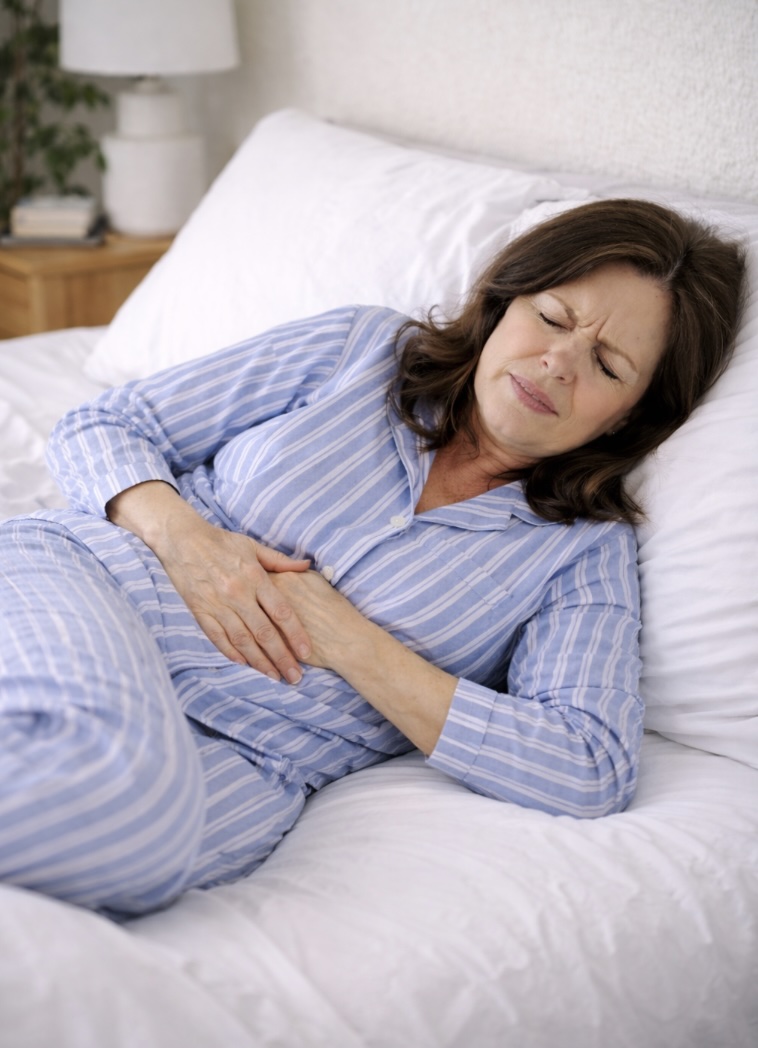
Painful Sex After Vaginoplasty: Why It Happens, What It Means, and When Revision Surgery Can Help
Vaginoplasty is commonly performed to tighten the vaginal canal, enhance friction during intercourse, restore support after childbirth, or improve symptoms related to vaginal laxity. For many women, the procedure achieves its intended goals. However, for others, the outcome is unexpected and deeply distressing: painful intercourse (dyspareunia) that begins only after surgery.
If sex became painful following vaginoplasty—or if penetration now feels tight, burning, or impossible—this does not mean something is “wrong” with you. In most cases, post-vaginoplasty pain has clear anatomical and functional causes related to over-tightening, scar formation, muscle response, or tissue quality.
This article is written specifically for women who are:
- Experiencing painful sex after vaginoplasty
- Considering or researching revision vaginoplasty
- Told their surgery “looks fine,” yet pain persists
- Seeking realistic explanations and expectations
We will cover:
- What vaginoplasty changes anatomically
- Why painful intercourse can occur afterward
- Entry pain vs deep pain and what each indicates
- How scarring and muscle spasm contribute
- Why revision patients experience pain differently
- When conservative care may help—and when it cannot
- Realistic expectations for revision vaginoplasty
- Why specialized pelvic reconstructive expertise matters
What Is Vaginoplasty?
Vaginoplasty is a surgical procedure designed to tighten the vaginal canal by repairing and reinforcing underlying muscles and connective tissue—most commonly the posterior vaginal wall.
It may be performed:
- After vaginal childbirth
- In women with vaginal laxity
- In women complaining of diminished sensation with intercourse
- Alongside perineoplasty
- In combination with prolapse repair
- As a standalone tightening procedure
The goal is to improve:
- Vaginal tone
- Structural support
- Enhance friction during intercourse
- Sexual function or satisfaction
However, the vagina must remain elastic, distensible, and coordinated with pelvic floor muscles. When tightening exceeds functional limits, pain can result.
Why Painful Sex Can Occur After Vaginoplasty
- Over-Tightening of the Vaginal Canal (Most Common Cause)
The most frequent cause of dyspareunia after vaginoplasty is over-tightening of the posterior vaginal wall.
When excessive tightening occurs:
- Vaginal width is reduced beyond what is functionally tolerable
- Elasticity is lost
- Penetration stretches tissue past its comfort threshold
Typical symptoms
- Immediate pain with penetration
- Feeling that penetration “doesn’t fit”
- Burning or tearing sensation
- Pain even with lubrication and arousal
- Avoidance of intercourse due to discomfort
Over-tightening is more likely in:
- Revision patients
- Women with low estrogen
- Combined vaginoplasty + perineoplasty procedures
- Aggressive tightening techniques
- Introital (Vaginal Opening) Narrowing
When vaginoplasty is combined with perineoplasty, the vaginal opening itself may become too narrow.
Even if the deeper vagina is adequate, a tight opening alone can cause severe entry pain.
Entry-level pain often feels like
- Sharp pain at insertion
- Burning or stinging
- Tearing sensation
- Inability to tolerate penetration at all
This is one of the most common reasons women report they are “unable” to have intercourse after surgery.
- Scar Tissue Formation and Loss of Elasticity
All surgery creates scar tissue, but in vaginoplasty:
- Scar tissue may be dense
- Healing occurs under tension
- Elastic tissue may be replaced with rigid fibrosis
Scar tissue can:
- Reduce stretch
- Create painful bands
- Pull during penetration
- Become hypersensitive
Scar-related pain often:
- Persists months or years after surgery
- Is position-dependent
- Does not improve with lubrication alone
- Pelvic Floor Muscle Spasm After Vaginoplasty
After tightening surgery, pelvic floor muscles may tighten reflexively to “protect” healing tissue. Over time, this guarding can become chronic.
Pelvic floor muscle spasm may cause:
- Entry pain
- Burning or stabbing sensations
- Pain with pelvic exams or tampons
- Pain even when anatomy looks “normal”
- Chronic, constant and unrelenting pelvic floor pain
In many women, muscle spasm coexists with structural narrowing, worsening pain.
- Nerve Sensitivity and Pain Amplification
Vaginoplasty involves working near sensitive vaginal and perineal nerves. In some women, nerves become irritated or sensitized, leading to:
- Burning pain
- Electric or sharp sensations
- Pain out of proportion to a normal exam findings
- Reproducible pain with examination
- Chronic and unrelenting pain
- Lingering pain after intercourse
Nerve sensitivity often overlaps with scarring and muscle tension.
- Low Estrogen and Fragile Vaginal Tissue
Women who are:
- Postmenopausal
- Perimenopausal
- Or who had ovaries removed
may have thinner vaginal tissue at the time of surgery. Low-estrogen tissue is more prone to:
- Micro-tearing
- Inflammation
- Delayed healing
- Painful penetration
This commonly contributes to entry pain, but can worsen deeper discomfort when combined with tightening.
Entry Pain vs Deep Pain After Vaginoplasty
Understanding where pain occurs is critical.
Entry Pain (Most Common After Vaginoplasty)
Usually caused by:
- Over-tightened perineoplasty
- Introital narrowing
- Scar tissue at the vaginal opening
- Pelvic floor muscle spasm
- Low estrogen tissue
Symptoms
- Immediate pain with insertion
- Burning, stinging, tearing
- Inability to tolerate penetration
Deep Pain (Less Common, But Significant)
May be caused by:
- Excessive posterior wall tightening
- Reduced vaginal depth
- Deep scar tissue bands
- Vault tension if hysterectomy was involved
Symptoms
- Pain with thrusting
- Resistance deeper inside
- Position-dependent discomfort
Why Revision Patients Are at Higher Risk for Pain
Women undergoing revision vaginoplasty face additional challenges:
- Pre-existing scar tissue
- Reduced blood flow
- Less elastic tissue
- Altered nerve signaling
Revision surgery must therefore be more conservative and precise than primary surgery.
When Conservative Treatment Helps—and When It Doesn’t
Conservative options may help when:
- Muscle spasm is the dominant issue
- Tissue quality is poor but anatomy is adequate
- Narrowing is mild
These may include:
- Pelvic floor physical therapy
- Vaginal estrogen or tissue therapy (when appropriate)
- Dilator therapy (carefully supervised)
- Pain modulation strategies
Conservative treatment often fails when:
- The vaginal opening is physically too narrow
- Scar tissue severely limits stretch
- Penetration is mechanically restricted
- Over-tightening is structural
In these cases, revision vaginoplasty may be considered.
What Revision Vaginoplasty Should Aim to Do
Revision surgery is not about loosening everything—it is about restoring functional balance.
Goals include:
- Increasing vaginal width where restricted
- Improving elasticity
- Releasing scar-related tension
- Preserving necessary support
- Restoring comfort with penetration
Success is measured by function, not cosmetic appearance.
Realistic Revision Success Expectations
What Revision Vaginoplasty Can Often Improve
✔ Ability to tolerate penetration
✔ Significant or complete reduction in entry pain
✔ Improved vaginal flexibility
✔ Reduced tearing or burning
✔ Improved intimacy and quality of life
What Revision Surgery Cannot Guarantee
✘ Instant results (healing takes time)
✘ Complete elimination of all sensation
✘ Cure of pain unrelated to anatomy
Honest counseling is essential—revision surgery aims for meaningful improvement, not perfection.
Why Many Women Seek Specialized Revision Surgeons
Revision vaginoplasty requires:
- Advanced knowledge of vaginal anatomy
- Experience with scarred tissue
- Ability to balance tightness and elasticity
- Focus on sexual function—not just appearance
- Most surgeons even exclusive university and world renowned clinics lack vaginoplasty experience and expertise.
Why Dr. John Miklos and Dr. Robert Moore Are Often Consulted
Miklos & Moore
Dr. John Miklos and Dr. Robert Moore are internationally recognized for their expertise in complex pelvic reconstructive and revision vaginal surgery, including correction of complications after vaginoplasty.
They commonly evaluate women who:
- Were pain-free before vaginoplasty
- Developed painful intercourse afterward
- Have vaginal narrowing or scar-related restriction
- Need revision focused on comfort, elasticity, and function
- Have seen dozens of healthcare providers without success
They emphasize:
- Precise diagnosis
- Conservative revision techniques
- Preservation of vaginal dimensions
- Realistic expectations
They see patients in:
- Atlanta, GA
- Beverly Hills, CA
- Charleston, SC
- Miami, FL
- Dubai
Key Takeaway
Painful sex after vaginoplasty is not rare, not imagined, and not something you must live with. It is most often caused by:
- Over-tightening
- Introital narrowing
- Scar tissue
- Muscle guarding
- Low estrogen tissue
With the right diagnosis and a function-first approach, revision vaginoplasty or targeted treatment can significantly improve comfort and intimacy.