
DIAGNOSIS & TREATMENTS
Uterine Prolapse is essentially
when the support system of the uterus (i.e. uterosacral ligaments)
breaks and the uterus falls.
Diagnosis: Uterine Prolapse
Treatment: Hysteropexy
Uterine prolapse is a common occurrence among women who have given childbirth. Essentially the support system of the uterus (i.e. uterosacral ligaments) breaks and the uterus falls. Patients will often suffer from pressure, vaginal discomfort, vaginal pain, lower back pain, pain with intercourse or the feeling her partner is hitting something during intercourse.
NORMAL UTERUS
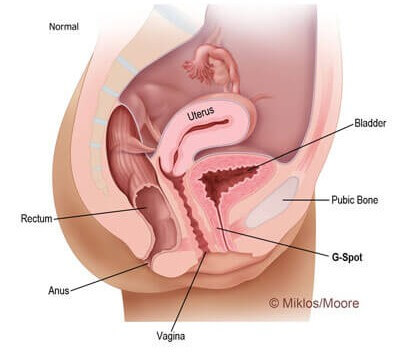
PROLAPSE UTERUS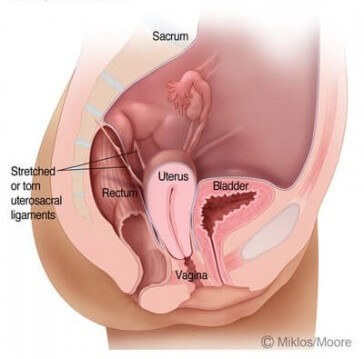
Hysteropexy
“Hystero” – means uterus and “pexy” means to support. Though conventional medicine recommends a hysterectomy when the uterus prolapses, Dr. Miklos & Moore often preserve it by performing a uterine suspension procedure known as a hysteropexy. Hysteropexy can be performed using mesh or with the patient’s native tissue i.e. uterosacral ligaments. Using mesh to support the uterus is a form of a sacrocolpopexy and has the highest cure rate of all uterine suspension surgeries. However, Dr. Miklos & Moore will respect the patient’s decision as to the type of hysteropexy she would prefer.
UTERINE PROLAPSE
LAPAROSCOPIC HYSTEROPEXY
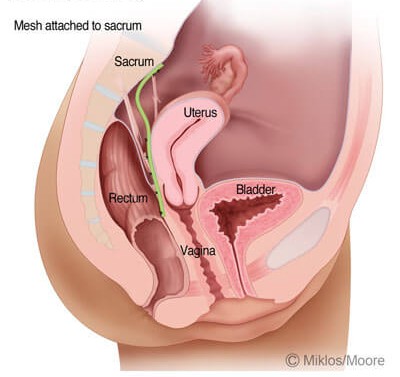
This procedure if performed alone takes Drs. Miklos & Moore less than 30 minutes. This is truly a minimally invasive procedure saving your uterus and minimizing the trauma, pain and morbidity of surgery
We work with many major insurance providers, including UMR, United Healthcare, Blue Cross, and Blue Shield, to determine eligibility and help maximize your available benefits when medically appropriate. If you have UMR insurance, uterine prolapse surgery — including uterine repair procedures — is often covered when the condition is diagnosed as medically necessary. Uterine prolapse is a true pelvic floor disorder that leads to symptoms such as pelvic pressure, vaginal bulging, discomfort, and urinary changes. Because these are functional issues and not cosmetic concerns, many UMR plans include benefits for surgical correction of uterine prolapse. Our experienced team works directly with UMR to verify your benefits, secure any required authorizations, and help you understand your coverage and out-of-pocket costs before moving forward with surgery.